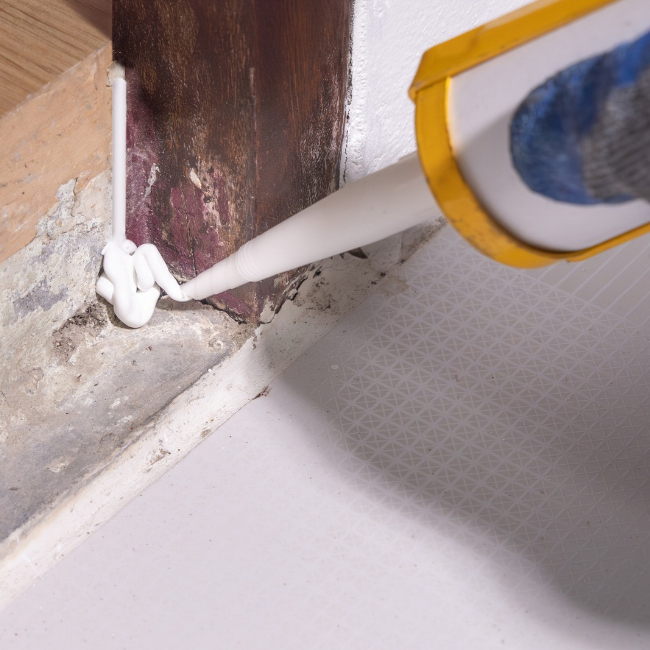
If you find a hole near your roof, soffit, vent or attic, your first thought might be to seal it as fast as possible. That sounds like an easy way to stop an animal from getting inside, but there is one major problem. The animal […]
Hearing scratching noises above your ceiling can make you wonder exactly what moved into your house. Animal noises in the attic can come from squirrels, flying squirrels, raccoons or rodents, and the season, type of sound and other signs can help narrow down the culprit. […]
When cooler nights settle into the Grand Strand, crawl spaces start looking like prime real estate to wildlife. They offer shelter, warmth, cover and a quiet place to hide. That’s why homeowners often notice more strange smells, digging, rustling sounds and damaged vents during September […]
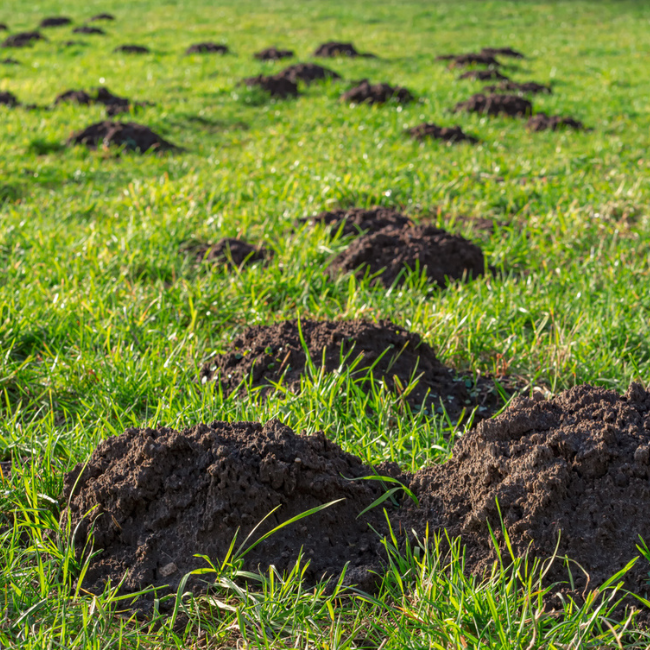
When fall settles into coastal South Carolina, many homeowners start noticing raised tunnels, soft spots and messy mounds across the lawn. That’s often when mole damage becomes harder to ignore. The problem didn’t always start overnight, but September and October can make the signs much […]
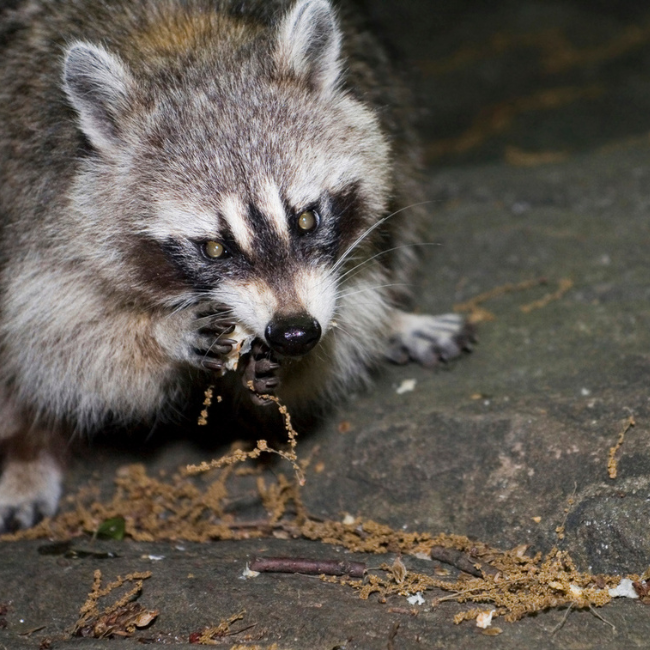
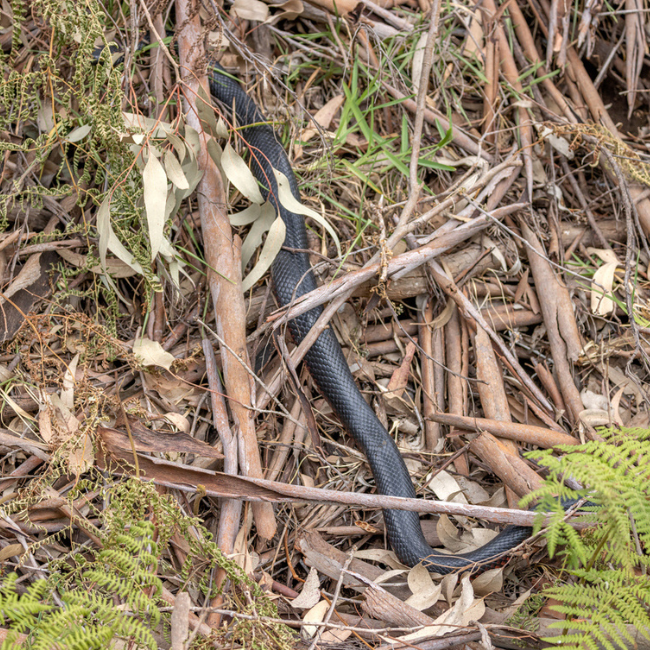
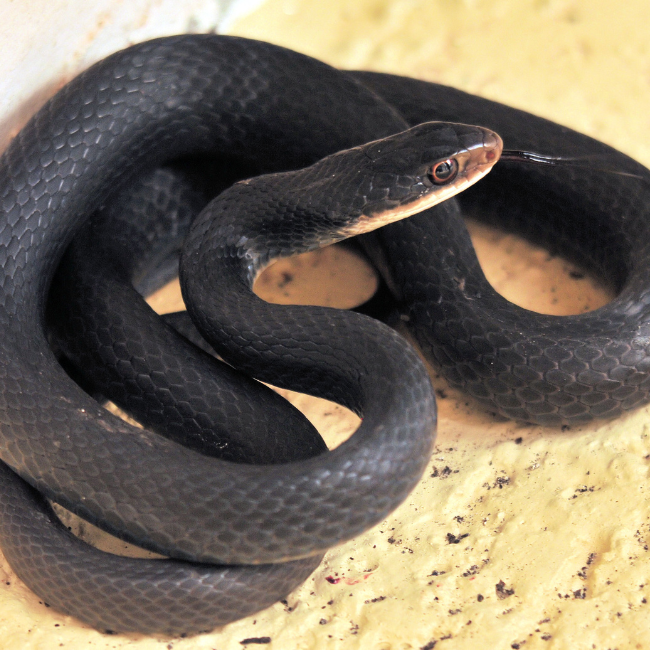
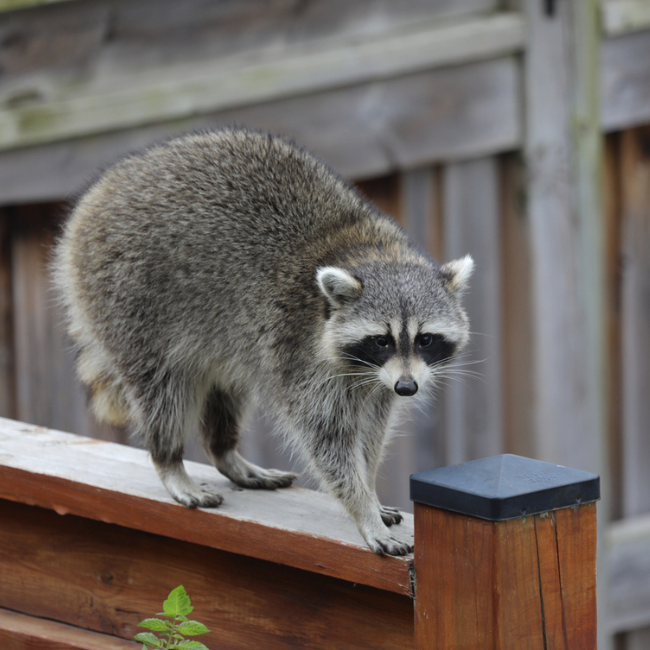
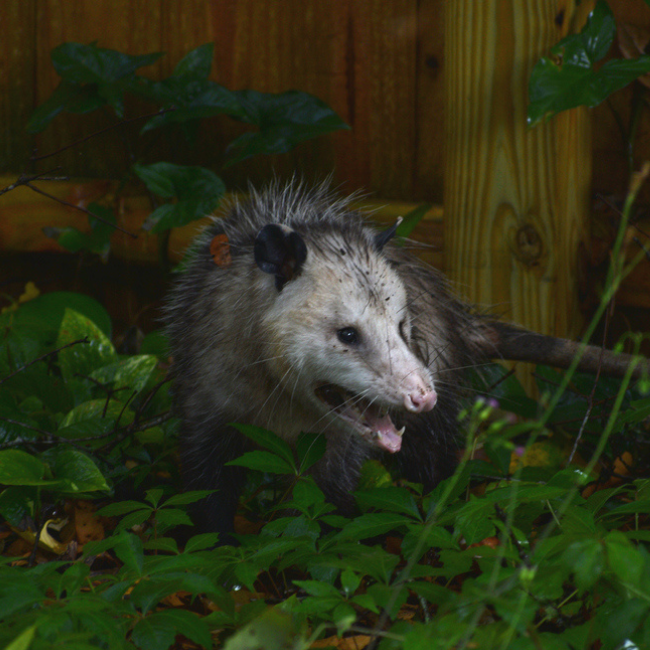
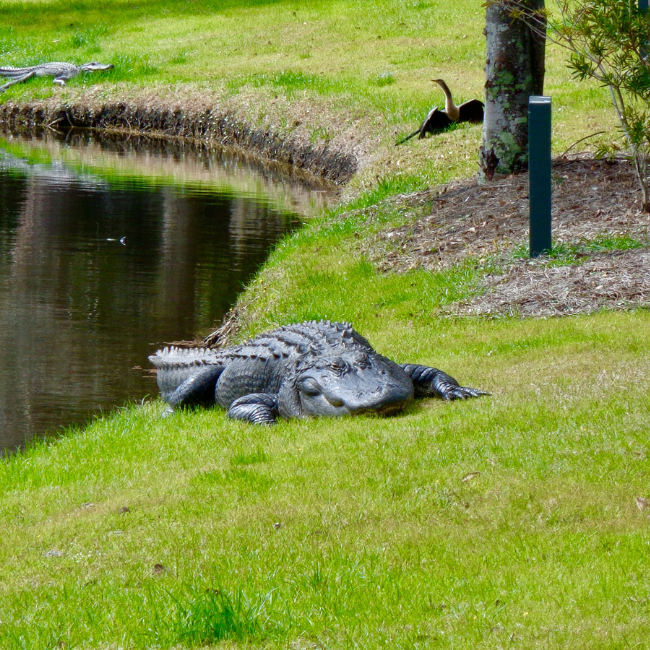
After a hurricane or tropical storm, homeowners can see snakes, alligators, raccoons, opossums, bats and other wildlife in places they do not normally expect. Heavy rain, flooding, wind and damaged shelter can push animals into yards, garages, sheds, crawl spaces, pool areas and driveways. In […]
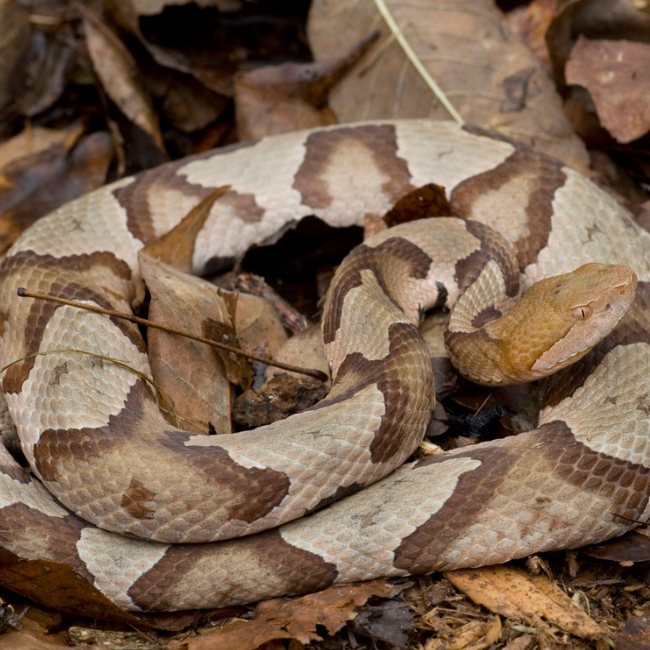
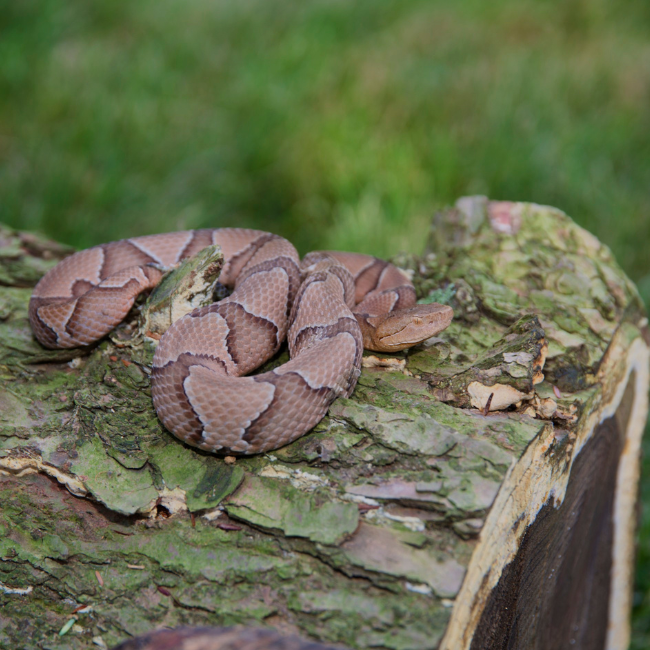
A baby copperhead is dangerous, but it is not automatically more dangerous than an adult copperhead. The bigger issue is that many people underestimate small snakes because they look less threatening. A baby copperhead still has venom. It can still bite. It can still create […]
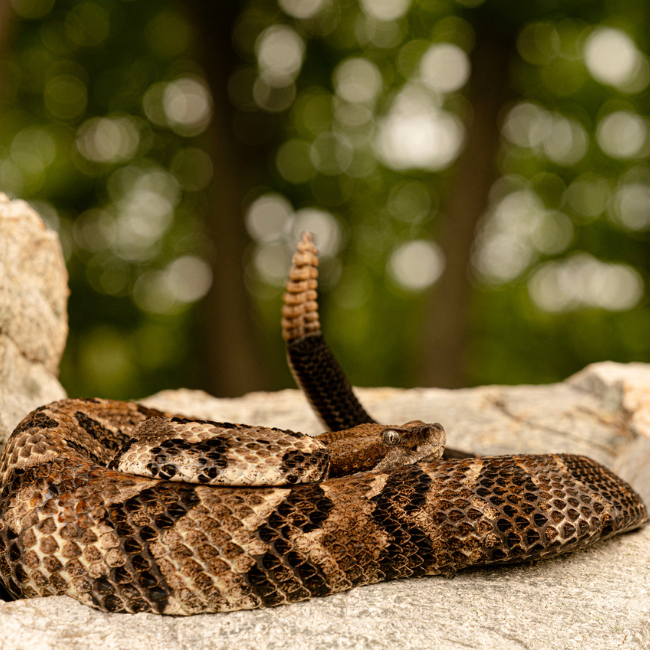
A canebrake rattlesnake is a specific coastal variation of the timber rattlesnake. In coastal South Carolina, including areas closer to the Grand Strand, people often use the name canebrake rattlesnake for the lighter lowland form. Farther away from the coast in South Carolina, people are […]
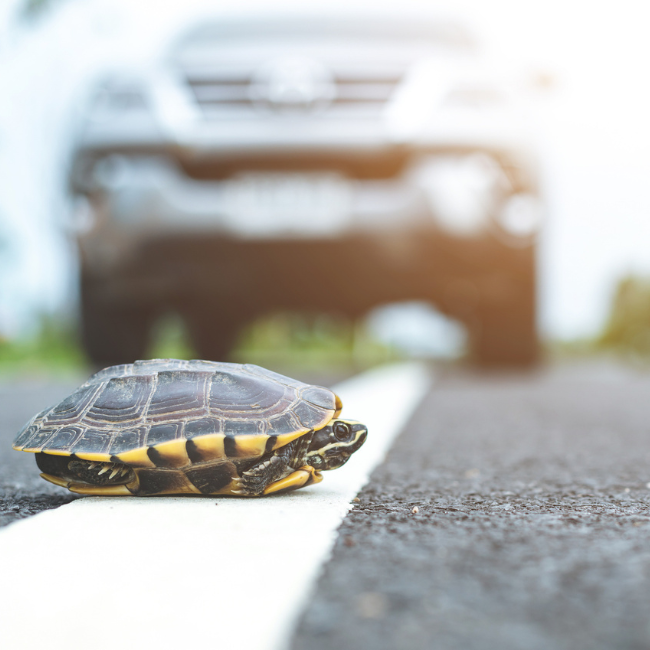
If you find a turtle in the road, help only if you can do it safely. Pull over in a safe spot, turn on your hazard lights and watch for traffic before you get out. Move the turtle in the same direction it was already […]
Why Snakes Around Pools Become A Summer Problem Summer in coastal South Carolina means pool days, cookouts and long evenings outside. It also means more wildlife activity. If you’ve spotted snakes around pools, you’re not alone. Pools attract more than swimmers during hot weather. They […]
Why Summer Wildlife Prevention Starts With Everyday Habits Summer in coastal South Carolina brings long days, backyard projects, cookouts and more time outside. It also brings more nuisance wildlife activity. Many homeowners don’t realize that common summer habits can roll out the welcome mat for […]
Warm weather brings more wildlife movement, more outdoor time and more chances for close contact. That combo can raise the risk of bites or scratches, especially if a sick animal wanders into a yard or neighborhood. Rabies is rare, but it’s serious. If you spot […]
When people think about sick wildlife, rabies usually comes to mind first. Rabies is serious, but it’s not the only concern. Wildlife diseases can spread through droppings, urine, saliva, nesting materials, contaminated soil and parasites. That means wildlife in the attic, bats in the rafters, […]
Spring brings warm afternoons back to the Grand Strand, and that warmth changes what you might see near ponds, lakes, canals and marshy edges. Alligators often become more visible on warm days, even if the mornings still feel cool. That shift catches many homeowners off […]
Why Garage Wildlife Intrusions Spike In Spring Spring projects move fast. You grab tools, pull out storage bins and leave the garage door open while you go back and forth. That routine feels normal, but it also creates an easy entry point. Wildlife intrusions often […]
Why Snake Proofing Starts With The Food Chain People want a quick fix when they spot a snake. They want a spray, a gadget or a magic line they can sprinkle. But the hard truth is simple. Snake proofing works best when you remove what […]
March can feel like a switch flips along the Grand Strand. One week you need a jacket, and the next you want to open the windows and work in the yard. Copperheads notice those warm-ups too. Copperhead spring activity often increases when sunny afternoons warm […]
February and March feel calm on the Grand Strand. You get a few warm days, a few chilly nights and the start of spring cleaning. But wildlife also starts moving. Animals search for food, safe shelter and places to nest. That’s why a spring wildlife […]
Many homeowners think bats only show up in the heat of summer. In South Carolina, bats can start getting active again during late winter and early spring, especially near the coast. A few warm afternoons can wake them up and get them moving. That’s why […]
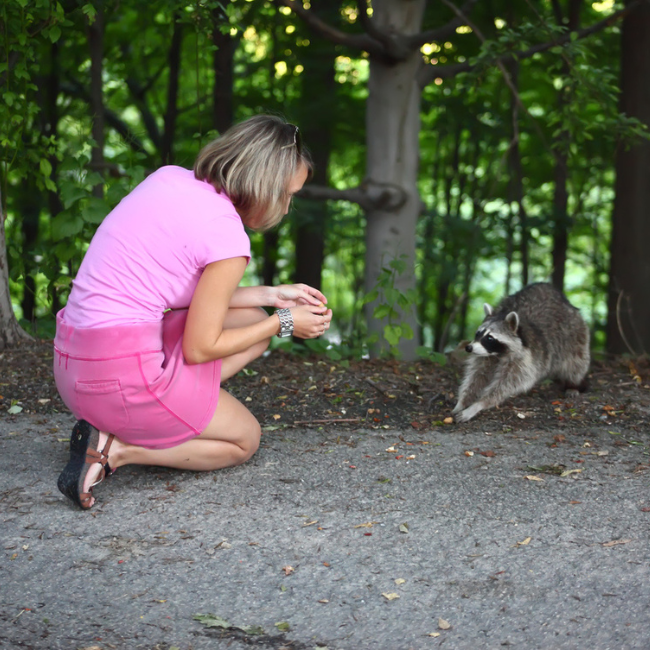
Why City Raccoons Feel Different City raccoons look like the same masked critters you see in the woods, but they often act very different. Researchers use the term raccoon domestication to describe a slow shift where some raccoons get more comfortable around people over time. […]
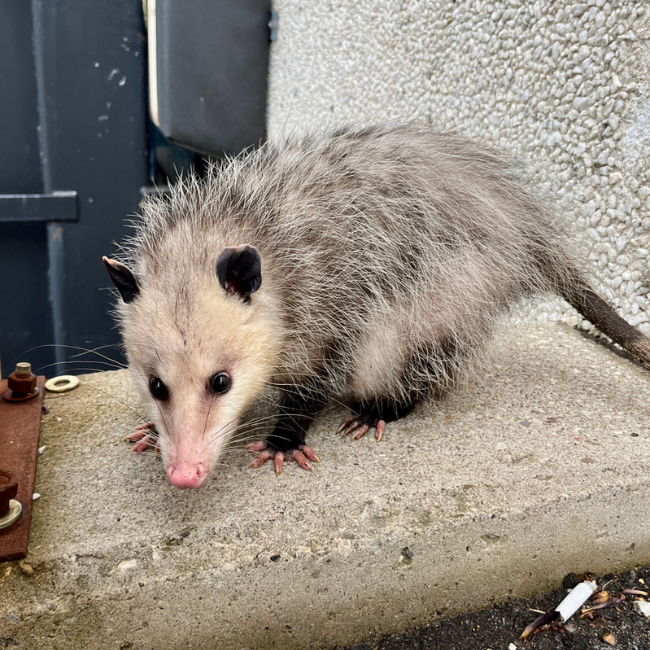
When an opossum moves in under your house, it usually wants one thing: a safe, warm place to ride out cold nights. Crawl spaces, porches and decks stay dry and hidden from predators. They also sit close to food sources like trash cans, pet food, […]