
How City Life Changes Raccoons, The Science Behind Raccoon Domestication
January 12, 2026
Spring Wildlife Inspection: The Quiet Invasion Coastal Homeowners Miss Every Year
February 15, 2026
Many homeowners think bats only show up in the heat of summer. In South Carolina, bats can start getting active again during late winter and early spring, especially near the coast. A few warm afternoons can wake them up and get them moving. That’s why bat exclusion matters before the busy season hits. If you handle the problem early, you can protect your attic and avoid a bigger mess later.
What “Bat Exclusion” Really Means
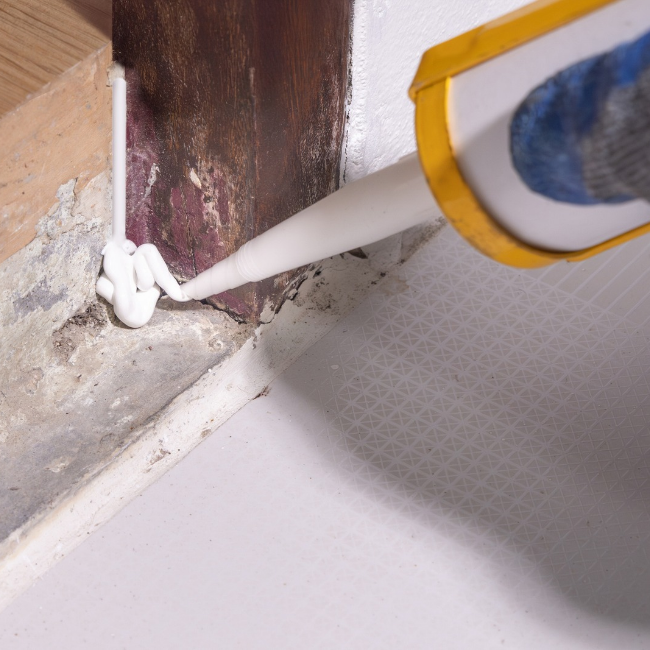
People often say, “Just get the bats out.” The right plan involves more than removal. Bat exclusion means you let bats exit safely, then you block the openings they use to get back inside. This approach protects your home and follows the rules that protect bats. It also helps you avoid a cycle where bats leave for a night and return the next day.
Why Early Spring Timing Matters For Your Attic
Late winter and early spring often bring mixed weather. Cool nights and warm days can push bats to shift roosts and search for stable shelter. Your attic offers warmth, darkness and safety from predators. If bats already roost in your attic, you might not notice right away. Then, as activity increases, the signs can show up fast, like odors, droppings and stains near entry points.
Early action helps you avoid the problems that grow over time. Bat droppings can pile up. Odors can soak into insulation. Noise can increase at dusk and dawn. The longer bats stay, the harder cleanup can get.
Signs Bats Might Be Using Your Attic
Bats don’t always make loud noise, so you need to watch for clues. You might notice small droppings under rooflines or near vents. You might see dark stains around tiny gaps where bats squeeze in. Some homeowners hear light scratching or fluttering around sunset. You might also notice a strong smell in a closed space, especially on warm days.
If you see signs, avoid going into the attic without protection. Droppings can create health risks when dust gets into the air. A professional can confirm what you have and plan the safest next steps.
What To Do If You Suspect Bats In Your Home
Start by keeping distance and avoiding DIY fixes. Don’t seal holes before you know what is inside. If bats cannot exit, they can end up inside your living space. Also, avoid sprays or poisons. Those options can create dead animals in walls and serious odor problems.
Instead, document what you see. If you can do it safely, take a photo of stains, droppings or gaps along the roofline. Then call The Snake Chaser to inspect the home. We can confirm bat activity, identify entry points and explain the best timing for removal.
How The Snake Chaser Handles Bat Exclusion
The Snake Chaser starts with a careful inspection of the roofline, vents and attic access areas. We look for the exact entry points bats use and the signs that show how active the roost is. Then we use the proper method to help bats exit and keep them from getting back inside.
After bat exclusion, we help you understand what needs attention next. That can include cleanup guidance, insulation concerns and steps that reduce the chance of another roost forming. When you act early in spring, you set your home up for a calmer season.
Protect Your Attic Before Bat Season Peaks
Early spring gives homeowners a big advantage. You can deal with bat activity before it turns into a bigger attic problem. Bat exclusion at the right time helps protect your home, your health and your peace of mind. If you suspect bats in your attic, call The Snake Chaser today and get ahead of the season before it heats up.
FAQs
1. When is bat exclusion season in South Carolina?
Bat exclusion season often starts in late winter and early spring when warmer days increase bat activity. Along the coast, bats can begin moving and searching for stable shelter earlier than people expect. The Snake Chaser can inspect your home and help you choose the safest timing for removal and prevention.
2. How do bats get into attics?
Bats can squeeze through very small gaps along rooflines, vents, soffits and flashing. They often use the same entry point over and over once they find it. The Snake Chaser can locate the exact access spots and seal them after proper removal.
3. Can I seal bat entry holes right away?
You should not seal holes until you confirm what is inside and how bats are using the space. If you seal the wrong way at the wrong time, bats can get trapped inside and end up in living areas. The Snake Chaser uses a safe approach that lets bats exit, then blocks reentry.