What Wildlife Shows Up After A Hurricane Or Tropical Storm?
August 16, 2026
What Animals Get Into Crawl Spaces In The Fall?
September 14, 2026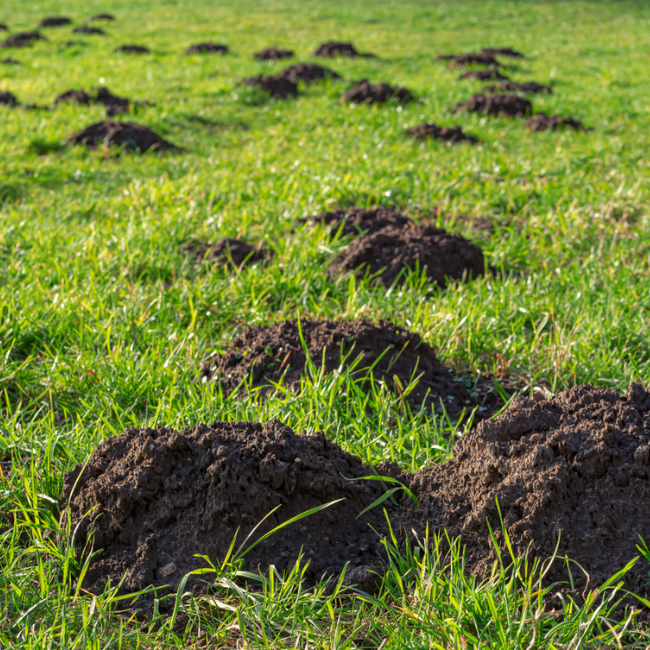
When fall settles into coastal South Carolina, many homeowners start noticing raised tunnels, soft spots and messy mounds across the lawn. That’s often when mole damage becomes harder to ignore. The problem didn’t always start overnight, but September and October can make the signs much easier to see.
Moles spend most of their lives underground, so homeowners rarely see the animal itself. Instead, they see the mess it leaves behind. Fall weather can create better tunneling conditions, more visible surface activity and faster lawn damage if the problem continues unchecked.
Why Does Mole Damage Get Worse In The Fall?
Mole damage gets worse in the fall because cooler weather and softer soil make it easier for moles to tunnel near the surface.
After hot summer weather, fall rain can soften the ground and bring insects, grubs and earthworms closer to the top layer of soil. Moles follow their food source. As they dig, they can leave raised ridges, loose soil and uneven patches across the yard. Around Myrtle Beach, Horry County and Georgetown County, fall moisture can make this activity stand out fast.
What Does Active Mole Damage Look Like?
Active mole damage often looks like raised tunnels, fresh mounds, soft ground and new ridges that seem to appear overnight.
Raised tunnels usually run across the lawn like little underground highways. Fresh mounds can pop up where moles push soil to the surface. You might also notice areas that feel spongy when you step on them. If new tunnels appear after rain or keep spreading week after week, you likely have active mole movement.
How Is Mole Damage Different From Other Lawn Problems?
Mole damage creates raised tunnels and soil mounds, while other lawn problems often cause flat dead spots, chewed plants or surface holes.
Heat stress, fungus and poor watering can make grass turn brown, but they usually do not create raised ridges. Voles can damage roots and leave surface runways, but they do not build the same raised tunnel systems moles create. Armadillos are rare on the Grand Strand, so homeowners here should focus on common local causes like moles, voles, insects and drainage issues when they compare lawn damage.
Why Do Moles Dig So Much In September And October?
Moles dig more in September and October because fall conditions can bring more food activity close to the surface.
Moles eat insects, grubs, worms and other small underground prey. When soil stays damp and mild, those food sources can move closer to the top. That gives moles a reason to tunnel through lawns, beds and soft ground. The result can look like a lawn that keeps getting worse no matter how often you rake or smooth it out.
Can Mole Tunnels Damage Your Yard?
Yes, mole tunnels can damage your yard by loosening soil, disturbing roots and creating uneven ground.
Moles do not eat grass roots, but their digging can still harm a lawn. Their tunnels can dry out roots, lift sections of turf and make the ground feel lumpy. The damage can also create trip hazards near walkways, play areas and high-traffic parts of the yard. If moles keep tunneling through the same area, the lawn can look rough and patchy before winter even arrives.
What Attracts Moles To A Yard?
Moles come to yards with soft soil, moisture and plenty of underground food.
A healthy lawn can still attract moles because insects and worms live in the soil. Thick mulch, damp areas, loose soil and garden beds can also create good tunneling areas. Moles do not care about curb appeal. They care about food and easy digging.
What Should You Not Do If You See Mole Damage?
Do not stomp tunnels, flood the yard or rely on random home tricks to fix mole damage.
Stomping tunnels might make the yard look flatter for a short time, but it does not remove the mole. Flooding tunnels can make a mess and push the animal to another area of the lawn. Store-bought gimmicks often waste time while the damage spreads. The smarter move is to watch for fresh activity and call The Snake Chaser before the yard gets worse.
When Should You Call The Snake Chaser For Mole Damage?
Call The Snake Chaser when mole tunnels keep spreading, fresh mounds keep appearing or the ground starts to feel soft and uneven.
Fall gives homeowners a good chance to catch the problem before cooler weather hides some of the activity. The Snake Chaser can inspect the signs, confirm what type of wildlife issue you have and help protect your lawn from more tunneling. If mole damage keeps taking over your yard, don’t wait for the next round of raised ridges to show up.
FAQs
1. What Does Mole Damage Look Like In A Yard?
Mole damage usually looks like raised tunnels, fresh soil mounds and soft areas across the lawn. The tunnels can run in winding lines, especially after rain when the soil gets easier to move through.
2. Do Moles Eat Grass Roots?
No, moles do not eat grass roots. They eat insects, grubs, worms and other small underground prey. Their tunnels can still hurt grass by disturbing roots and loosening the soil.
3. Why Do Moles Come Into My Yard In The Fall?
Moles come into yards in the fall because mild weather, damp soil and active food sources make tunneling easier. If insects and worms stay close to the surface, moles can follow them through the lawn.