Bat Exclusion Season in South Carolina: Why Early Spring Timing Can Save Your Attic
February 14, 2026
Why Copperhead Spring Activity Spikes When Yards Warm Up
March 14, 2026
February and March feel calm on the Grand Strand. You get a few warm days, a few chilly nights and the start of spring cleaning. But wildlife also starts moving. Animals search for food, safe shelter and places to nest. That’s why a spring wildlife inspection matters, even if you have not seen a single critter yet. Many invasions start quietly, and homeowners miss the early warning signs every year.
What Changes In February And March Along The Grand Strand
Late winter and early spring bring big shifts in behavior. Cold nights push animals toward warm structures. Warm afternoons get them moving again. Yards also change during this time. People clear brush, open sheds and pull decorations out of storage. That activity can disturb wildlife hideouts and push animals toward homes. Even small gaps and weak spots start to look like open doors.
The First Places Wildlife Tests In Early Spring
A spring wildlife inspection focuses on the areas animals check first. These spots often sit out of sight, so problems grow before you notice them.
1. Crawl Spaces and Foundation Vents
Crawl spaces stay dark, quiet and protected from wind. Animals can slip in through loose vent covers, gaps around pipes or soft soil near the foundation. Once inside, they can tear duct wrap, disturb insulation and leave droppings behind.
2. Rooflines, Soffits and Attic Edges
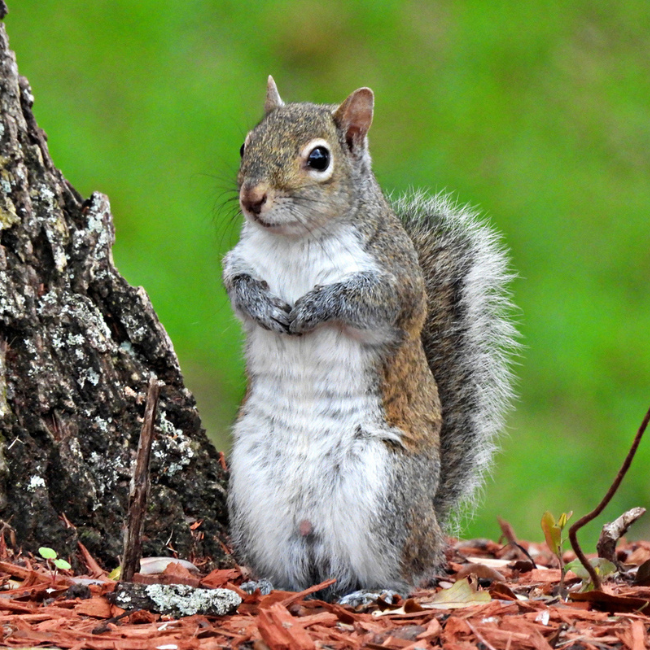
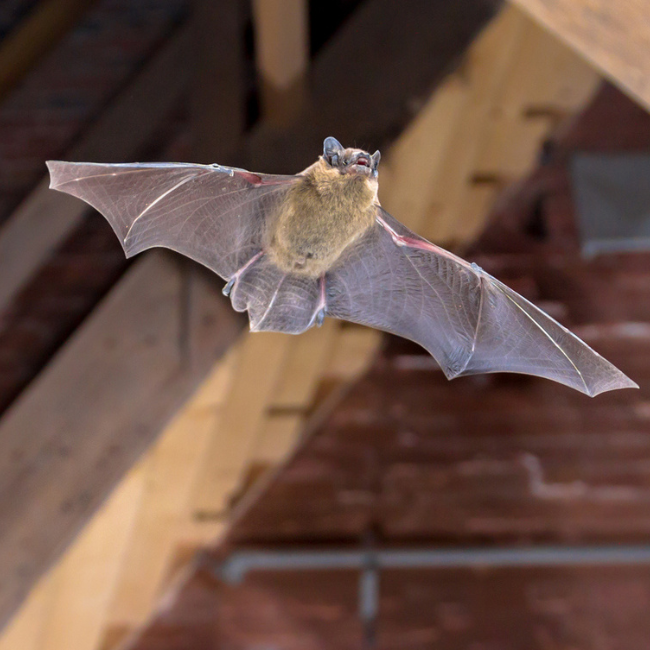
Rooflines hide small gaps that wildlife loves. Squirrels and raccoons can pull at loose soffits or damaged vents. Bats can squeeze through tiny openings along roof edges. One weak spot can turn into a busy entry point fast.
3. Garages and Storage Areas
Garages often stay open longer during spring projects. Small gaps around doors, side vents and corners can let wildlife slip inside. Stored boxes, pet food and clutter also create great hiding places.
4. Decks, Porches and Steps
Porches and decks create sheltered spaces close to the house. Animals can nest under steps, hide under low decking and travel along the edges without anyone noticing.
What Homeowners Should Look For During A Spring Wildlife Inspection
You don’t need fancy tools to spot early signs. Start by walking the outside of your home in daylight. Look for torn vent covers, gaps near the roofline and places where animals could climb. Check for droppings near crawl space doors or corners of the garage. Notice any new smells, especially musky odors in closed spaces. Listen for light scratching or movement at dawn or dusk.
If you see signs, don’t try to trap or chase wildlife on your own. DIY efforts often miss the real entry point, and that leads to repeat problems.
How The Snake Chaser Handles A Spring Wildlife Inspection
The Snake Chaser knows where wildlife tests first in coastal homes. We inspect the roofline, crawl space, vents, garage edges and other key spots that get overlooked. We look for entry points, damage and signs of nesting. Then we explain what we found in plain language and share clear next steps to protect your home.
If we find active wildlife, we can remove it safely and humanely. We can also help you stop return visits by addressing the weak spots that invited them in.
Protect Your Home Before Wildlife Settles In
A spring wildlife inspection can save you from expensive repairs later. Early action helps you stop wildlife before it nests, chews or tears up insulation. If you live near the coast and want peace of mind heading into spring, call The Snake Chaser today and schedule your inspection.
FAQs
1. What is a spring wildlife inspection?
A spring wildlife inspection is a check of your home’s most common entry points before wildlife becomes more active. It focuses on places like crawl spaces, rooflines, vents and garages. The Snake Chaser can inspect your home, spot early warning signs and help you prevent wildlife from moving in.
2. Why do wildlife problems start in February and March?
Wildlife starts moving more on warmer days, even while nights still stay cold. Animals look for stable shelter and easy food sources, and homes provide both. The Snake Chaser can help you catch small problems early before they turn into major damage.
3. What should I do if I find signs of wildlife around my home?
Keep your distance and avoid sealing holes until you know what animal is inside. If you block an exit the wrong way, you can trap wildlife in your walls or attic. Call The Snake Chaser so we can identify the animal, remove it safely and help prevent repeat entry.