When an Opossum Moves In Under Your House: What Comes Next
January 11, 2026
Bat Exclusion Season in South Carolina: Why Early Spring Timing Can Save Your Attic
February 14, 2026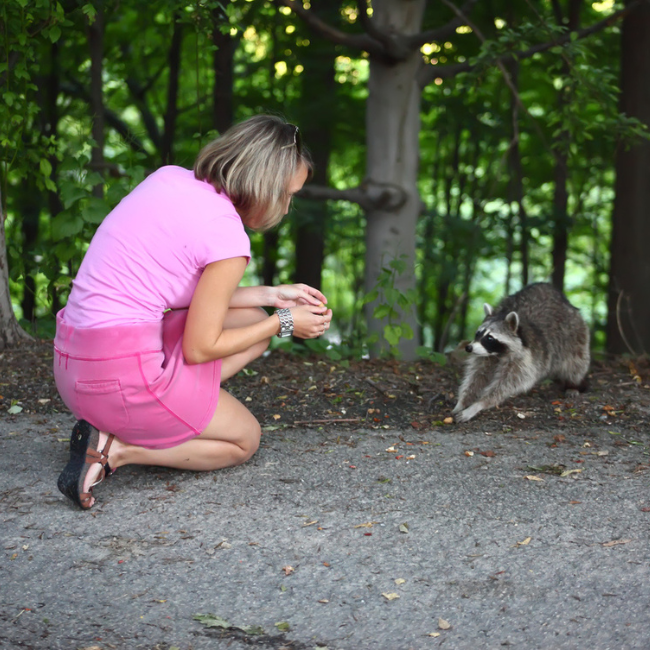
Why City Raccoons Feel Different
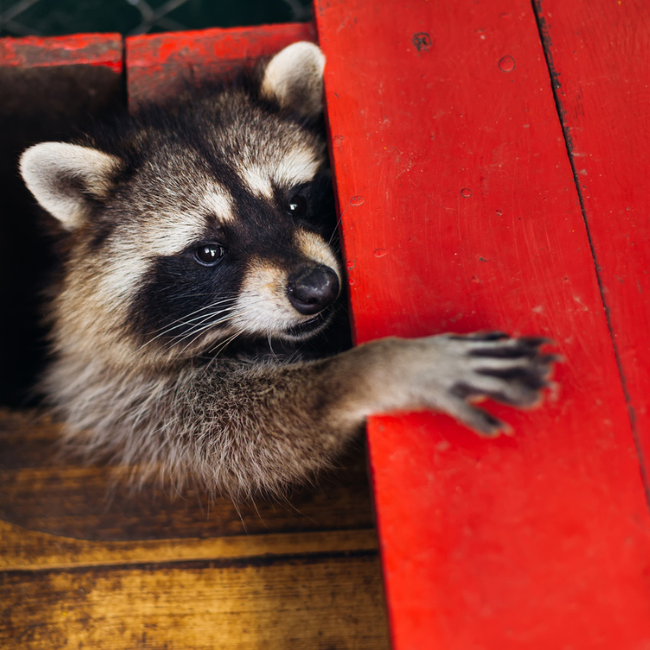
City raccoons look like the same masked critters you see in the woods, but they often act very different. Researchers use the term raccoon domestication to describe a slow shift where some raccoons get more comfortable around people over time. They do not turn into pets, but they can learn that neighborhoods offer easy food and warm shelter. That comfort can lead to more raccoons in attics and garages and more damage for homeowners.
What Raccoon Domestication Looks Like In Cities
When people hear the word domestication, they think of dogs or cats. City raccoons do not live with humans the same way. Instead, raccoon domestication points to small changes that can happen when raccoons live close to people for many generations. In simple terms, the bold raccoons get the best rewards. They find the trash first. They claim the best den sites. They pass those habits on through learning and survival. Over time, more raccoons act confident in places that used to scare them.
Why Neighborhood Life Rewards Bold Raccoons
Cities and beach towns offer steady food. Trash cans, dumpsters, outdoor pet bowls and fallen fruit all smell like dinner. They also offer shelter. Rooflines, soffits, attics and garages stay warmer than the outdoors on cold nights. Raccoons also face fewer natural threats in many neighborhoods. That combination teaches them one big lesson: stick close to people and you eat better.
How Raccoon Domestication Leads To Attic And Garage Break-Ins
A raccoon that feels safe around homes will test weak spots. It will climb gutters, fences and trees to reach the roof. It will pull at loose vents or damaged soffit panels. It will slip into a garage when someone leaves the door cracked. Once inside, it can rip insulation, bend ductwork and leave droppings. If a female dens, the problem can grow fast. Homeowners often see the same raccoon return because it remembers the route and the reward.
Signs A Raccoon Has Chosen Your Home
You might find a tipped trash can or scattered food scraps. You might spot muddy paw prints on cars, doors or around the garage. You might see damage along the roof edge or vent covers. You might notice a strong, musky odor in a closed space. If you see these signs, act fast. The longer a raccoon stays, the harder cleanup and repairs can get.
Stop Feeding And Sheltering Raccoons Without Knowing It
Start with food. Secure trash lids and set trash out as close to pickup time as you can. Bring pet food and water bowls inside at night. Clean up fallen fruit and spilled bird seed. Next, cut off shelter. Close garage doors fully and fix gaps under doors. Keep crawl space doors shut and in good shape. Trim branches away from the roofline so raccoons have fewer bridges. If you already have roof or vent damage, repair it quickly so a curious raccoon cannot widen the opening.
When To Call The Snake Chaser For Raccoon Help
Raccoons can bite and scratch when they feel trapped. They can also carry parasites and illnesses that put people and pets at risk. DIY trapping can also backfire if you miss an entry point or separate a mother from her young. The Snake Chaser can remove raccoons safely and humanely, then help you figure out how they got in. We can also help you reduce the chances of repeat visits with the right repairs and exclusion steps.
Protect Your Home From The New Wave Of Bold Raccoons
Raccoon domestication does not mean raccoons want to cuddle on your couch. It means some raccoons learn to live close to people because city life rewards bold behavior. That shift can turn your attic or garage into a target. If you see signs of raccoon activity, call The Snake Chaser so you can protect your home and enjoy your space again.
FAQs
1. What is raccoon domestication?
Raccoon domestication describes how some raccoons start acting more comfortable around people after living near humans for a long time. They learn that neighborhoods offer food and shelter, so they take bigger risks to get it. If raccoons keep showing up at your home, The Snake Chaser can remove them safely and help stop repeat visits.
2. Why are raccoons not afraid of humans in cities?
City raccoons often see people every day, and they learn that they can find meals near homes without getting chased off. Trash nights, outdoor pet food and open garages teach them that human spaces feel safe. If a raccoon acts bold around your property, The Snake Chaser can help you remove it and close the entry points it uses.
3. How do I keep raccoons out of my attic and garage?
Start by cutting off easy food like open trash and pet bowls left outside. Next, keep garage doors shut and repair weak roof spots like loose vents or soffits. The Snake Chaser can inspect your home, remove raccoons and seal the areas that let them get inside.