Is A Baby Copperhead More Dangerous Than An Adult?
August 15, 2026
Why Does Mole Damage Get Worse In The Fall?
September 13, 2026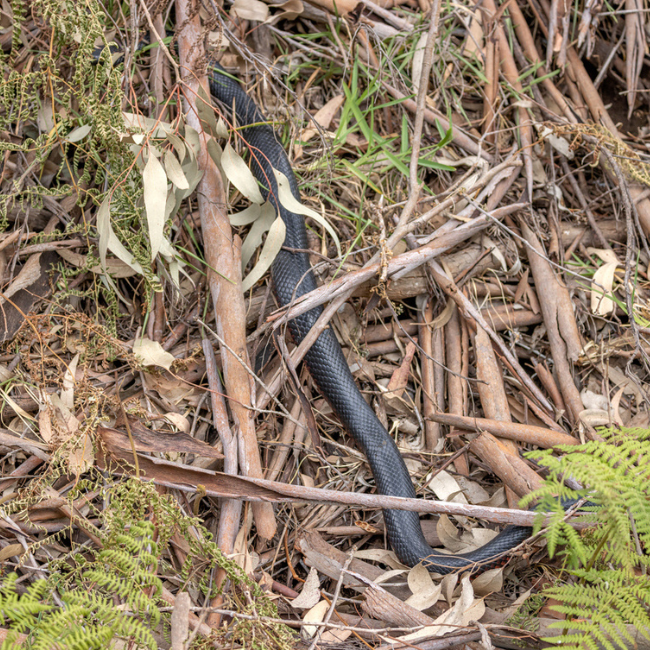
After a hurricane or tropical storm, homeowners can see snakes, alligators, raccoons, opossums, bats and other wildlife in places they do not normally expect. Heavy rain, flooding, wind and damaged shelter can push animals into yards, garages, sheds, crawl spaces, pool areas and driveways.
In mid-August, South Carolina starts moving into the peak part of hurricane and tropical storm season. Along the coast, that means homeowners should think about more than fallen branches and standing water. Storms can change where wildlife hides, travels and searches for safety. Once the weather clears, a careful inspection can help you spot trouble before someone steps too close.
Why Does Wildlife Move Around After A Storm?
Wildlife moves around after a storm because flooding, wind and falling debris can disturb normal shelter. Animals look for dry ground, quiet cover and safe places to hide after their usual spots fill with water or get damaged.
Snakes can leave flooded holes, brush and low spots. Raccoons and opossums can search for new shelter if trees, crawl spaces or outdoor hiding places get disturbed. Bats can shift if wind damages vents, rooflines or attic entry points. Alligators can also show up in strange places when heavy rain changes pond levels, ditches, drainage areas and nearby waterways.
Why Do Snakes Show Up After Heavy Rain?
Snakes show up after heavy rain because water can flood their hiding spots and push them toward higher, drier areas. That can bring them closer to patios, garages, sheds, pool decks, driveways and crawl space openings.
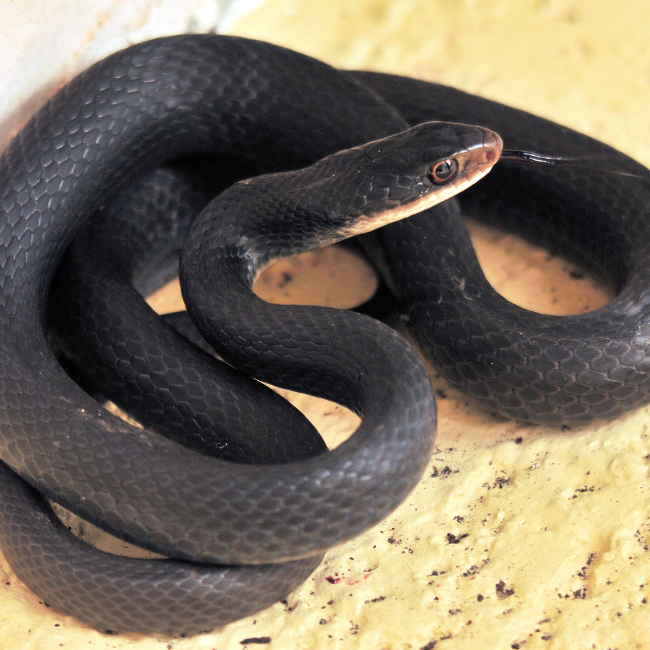
After a storm, avoid reaching into debris piles, thick grass, stacked wood or storm-damaged landscaping without looking first. Snakes blend in well with leaves, branches and pine straw. Wear closed-toe shoes, use gloves and never pick up boards or yard debris with bare hands. If you see a snake and cannot identify it safely from a distance, treat it like it could be dangerous and call The Snake Chaser.
Why Do Alligators Move After Tropical Storms?
Alligators can move after tropical storms because rising water can connect ponds, ditches, marshes and drainage areas that usually stay separate. When water levels change, alligators can travel into yards, roads, parking lots or areas near homes.
Never approach, feed or try to guide an alligator away yourself. Keep kids and pets far from the area, even if the alligator looks calm. A storm can leave people stressed and distracted, but alligator safety still comes down to distance. If an alligator ends up near your home, pool, driveway or business, call The Snake Chaser for help.
Why Do Raccoons And Opossums Get Close To Homes After Storms?
Raccoons and opossums get close to homes after storms because they search for food, shelter and dry hiding places. Damaged trash cans, flooded brush, fallen limbs and open garages can all create easy opportunities.
These animals might move under porches, into crawl space areas, behind sheds or around storm debris. Do not corner them or try to chase them out with a broom. Raccoons can act aggressive when scared, and opossums can bite if they feel trapped. If you hear scratching, thumping or rustling after a storm, give the animal space and call for help.
Why Should You Check Your Attic For Bats After A Storm?
You should check your attic for bats after a storm because wind can loosen vents, trim, soffits and roofline gaps. Bats only need small openings to get inside, and storm damage can create new entry points fast.
Listen for fluttering, scratching or squeaking near dusk or early morning. Look for droppings near attic vents, porch areas, shutters or walls. Do not handle a bat, and do not sweep up droppings without proper help. If you think bats entered your attic after a storm, call The Snake Chaser so the issue can get handled safely and at the right time.
What Should You Inspect Outside After The Weather Clears?
After the weather clears, inspect the outside of your home for damage, openings, debris piles and signs of wildlife activity. Start with areas where animals can hide or enter. Check garage doors, shed doors, crawl space vents, attic vents, soffits, roof edges, fence lines, pool areas, wood piles, storm debris, trash cans, drainage ditches and pond edges. Look for tracks, droppings, digging, chew marks, shifted screens, broken vents or strange smells. Move slowly and do not stick your hands where you cannot see.
What Should You Not Do If You Find Wildlife After A Storm?
Do not try to trap, grab, scare, feed or move wildlife after a storm. Animals can feel stressed, hurt or cornered after bad weather, which makes close contact risky. Do not let kids or pets investigate. Do not assume a young animal has been abandoned. Do not clean up droppings, nesting material or damaged insulation without knowing what caused the mess. Also, do not seal a hole if you think an animal could still be inside. That can trap wildlife and create bigger problems inside the home.
What Is A Safe Post-Storm Wildlife Checklist For Homeowners?
A safe post-storm wildlife checklist helps you inspect your property without putting yourself too close to hidden animals. Start outside in daylight, wear closed-toe shoes and gloves and keep pets indoors while you look around.
1. Walk the yard slowly and look for snakes before picking up debris.
2. Check garage and shed doors for gaps or signs of entry.
3. Look around crawl space vents, foundation openings and porch edges.
4. Inspect attic vents, soffits and roofline gaps from the ground.
5. Check trash cans, outdoor food storage and pet food areas.
6. Look near pools, ponds, ditches and drainage areas before letting pets out.
7. Watch for droppings, tracks, digging, strong odors or strange sounds.
8. Call The Snake Chaser if wildlife appears injured, trapped, aggressive or too close to people.
When Should You Call The Snake Chaser After A Hurricane Or Tropical Storm?
Call The Snake Chaser after a hurricane or tropical storm if wildlife shows up near your home, gets trapped, moves into a garage, hides under a porch or enters an attic, shed or crawl space. You should also call if you see a snake, alligator, raccoon, opossum, bat or other animal in a high-traffic area.
Storm cleanup already comes with enough stress. You do not need to add wildlife risk to the list. The Snake Chaser can help remove nuisance wildlife safely, inspect problem areas and explain what likely attracted the animal after the storm. When weather moves wildlife closer to your home, call us before the situation turns dangerous.
FAQs
1. What Animals Come Out After A Hurricane?
Snakes, alligators, raccoons, opossums, bats and other wildlife can show up after a hurricane. Flooding, wind and damage can move animals out of their normal shelter and closer to homes, garages, sheds, crawl spaces and yards.
2. Why Do Snakes Come Out After Heavy Rain?
Snakes come out after heavy rain because water can flood their hiding spots and push them toward dry ground. After a storm, check carefully around debris, pool areas, garages, sheds and crawl space openings before reaching or stepping.
3. What Should I Do If Wildlife Gets In My Garage After A Storm?
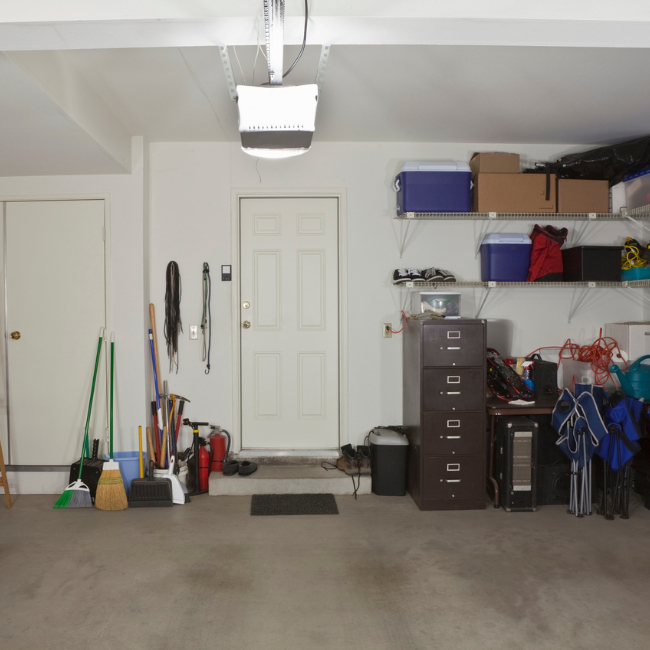
Keep people and pets away, leave the animal alone and do not try to chase it out. If the animal will not leave or you cannot open a safe exit without getting close, call The Snake Chaser for help.