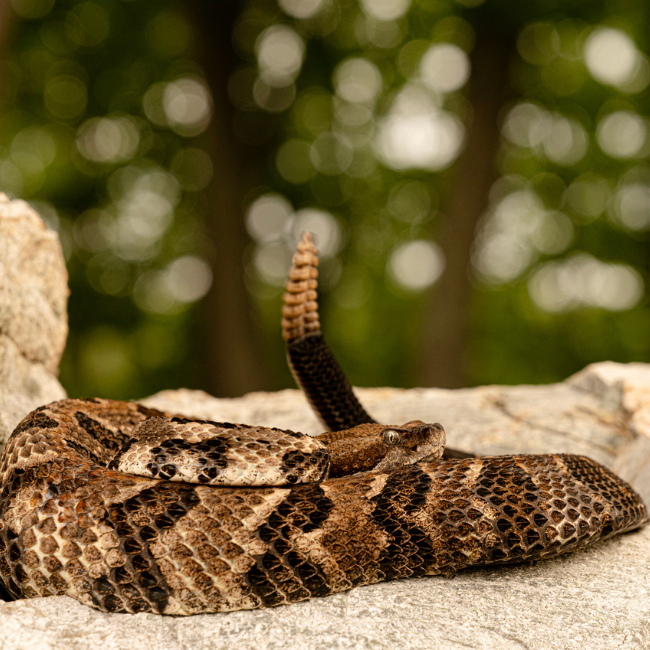
What Is The Difference Between A Canebrake Rattlesnake And A Timber Rattlesnake?
July 12, 2026
What Wildlife Shows Up After A Hurricane Or Tropical Storm?
August 16, 2026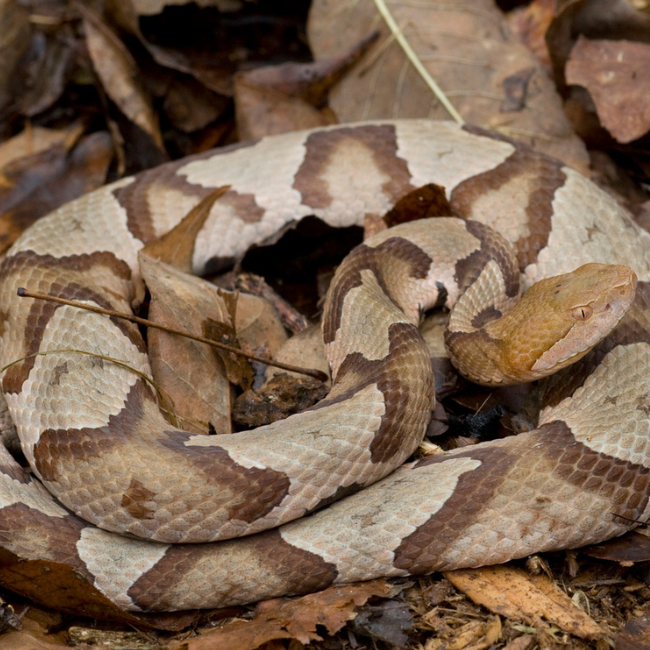
A baby copperhead is dangerous, but it is not automatically more dangerous than an adult copperhead. The bigger issue is that many people underestimate small snakes because they look less threatening. A baby copperhead still has venom. It can still bite. It can still create a serious medical emergency. That is why homeowners should never try to pick one up, move it with a stick or get close for a better look. Around coastal South Carolina, late summer brings more snake activity because young copperheads start showing up and warm weather keeps adults active too.
Why Do People Think Baby Copperheads Are More Dangerous?
People think baby copperheads are more dangerous because of a common myth that young snakes cannot control their venom. You might hear people say a baby copperhead always uses all its venom in one bite. The truth is more practical. Any copperhead bite deserves serious attention, no matter the snake’s size. A young copperhead can still deliver venom, and an adult copperhead can deliver venom too. Homeowners do not need to figure out which one is worse. They need to back away, keep kids and pets clear and call for help if the snake stays near the home.
When Are Baby Copperheads Born In South Carolina?
Baby copperheads usually start showing up in late summer and early fall. That makes August a smart time for homeowners in Myrtle Beach, Horry County, Georgetown County and nearby coastal areas to stay alert.
Copperheads do not lay eggs like some snakes. They give birth to live young. Once born, young copperheads can move, hide and defend themselves right away. You might spot them near pine straw, leaf litter, wood piles, garden edges, sheds, crawl space areas and shaded spots around the yard.
What Does A Baby Copperhead Look Like?
A baby copperhead often looks like a smaller version of an adult copperhead, with hourglass-shaped bands across its body that look like Hershey Kisses from the side. Many young copperheads also have a bright yellow or greenish tail tip.
That tail tip can help young copperheads lure small prey, but homeowners should never move closer to check for it. Copperheads blend well with leaves, mulch, pine straw and natural ground cover. If you have to lean in to identify the snake, you are already too close.
Why Is A Small Copperhead Still A Big Problem?
A small copperhead is still a big problem because venomous snakes do not have to be large to be dangerous. Small size can even make them easier to miss in yards, walkways and landscaping. A baby copperhead can hide under leaves, beside steps, near garden borders or around outdoor clutter. Someone doing yard work, watering plants or picking up toys could get too close without seeing it. That is why late-summer cleanup should include gloves, closed-toe shoes and extra caution around shaded areas.
Where Do Baby Copperheads Hide Around Homes?
Baby copperheads often hide where they can stay covered, cool and close to food. Around homes, that can include pine straw beds, tall grass, leaf piles, stacked wood, rocks, boards, sheds and crawl space edges. Rodents, frogs, lizards and insects can also draw snakes into a yard. If your property has clutter, thick ground cover or easy hiding spots near the house, copperheads can use those areas during hot weather. A neat yard will not remove every snake risk, but it can lower the chances of surprise encounters.
What Should You Do If You See A Baby Copperhead?
If you see a baby copperhead, stop, back away slowly and leave it alone. Do not try to kill it, trap it or move it. Bring kids and pets inside, then keep an eye on the area from a safe distance if you can. If the snake moves under a porch, into a garage, near a shed or close to a high-traffic area, call The Snake Chaser. A professional can handle the snake safely while you stay out of harm’s way.
What Should You Not Do Around A Baby Copperhead?
Do not pick up a baby copperhead, even if it looks tiny, injured or harmless. Do not use a shovel, rake, bucket or broom to push it around. Those choices can put your hands, feet and legs too close. Many snake bites happen when someone tries to handle the situation alone. Photos can also create problems because people often step closer for a clearer shot. If you want to take a photo for identification, only do it from a safe distance.
How Can You Reduce Copperhead Encounters In Late Summer?
You can reduce copperhead encounters by clearing hiding spots and cutting down on food sources. Keep grass trimmed, remove leaf piles, store firewood off the ground and move clutter away from the house. Also, seal gaps around sheds, garages and crawl spaces when possible. Keep trash secured and avoid leaving pet food outside because rodents can attract snakes. After heavy rain, check carefully around steps, patios, pool areas and garages because snakes can move into drier spaces.
When Should You Call The Snake Chaser For A Copperhead?
You should call The Snake Chaser when a baby copperhead or adult copperhead appears near your home, porch, garage, shed, pool area, business or anywhere people and pets spend time.
The Snake Chaser can remove the snake safely and look for conditions that brought it close to the property. If you see a baby copperhead, do not let its size fool you. Give it space, stay calm and call The Snake Chaser before someone gets hurt.
FAQs
1. Are Baby Copperheads Venomous?
Yes, baby copperheads are venomous from birth. They can bite, and their bite can create a serious medical problem. Treat every copperhead with caution, no matter how small it looks.
2. What Month Do Baby Copperheads Come Out?
Baby copperheads often show up in late summer and early fall, which makes August and September important months for snake awareness in South Carolina. Warm weather, yard activity and thick ground cover can all increase the chances of a sighting.
3. What Should I Do If I Find A Baby Copperhead In My Yard?
Back away slowly and keep kids and pets away from the area. Do not try to move, kill or identify the snake up close. Call The Snake Chaser so the snake can be handled safely.