What Animal Is Making Scratching Noises In My Attic?
October 18, 2026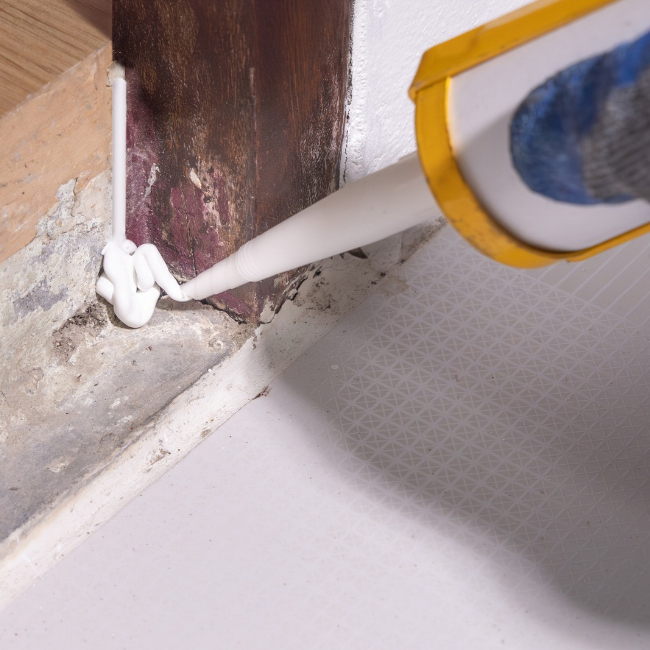
If you find a hole near your roof, soffit, vent or attic, your first thought might be to seal it as fast as possible. That sounds like an easy way to stop an animal from getting inside, but there is one major problem. The animal might already be there. Closing an animal entry hole before you know the wildlife has left can trap an animal inside your attic, walls or another part of your home.
Once trapped, wildlife will look for another way out. That search can lead to damaged insulation, vents, ductwork, drywall and other parts of the house. It can also separate a mother from her babies or leave an animal trapped where it could die. What started as one wildlife entry point can quickly turn into a much larger repair problem.
What Happens If You Seal An Animal Entry Hole Too Soon?
When an animal enters a home through a roof gap, vent, soffit or other opening, that spot often becomes part of its normal route. Animals such as squirrels and raccoons can leave to find food and return later. If you seal the opening while the animal is still inside, you have removed its normal exit.
A trapped animal does not understand that someone repaired the hole. It only knows that the way it normally uses has disappeared. Wildlife can become desperate while searching for another route outside. That can mean clawing, chewing, pushing and tearing at anything that looks like a possible escape route.
This is why finding the entry point is only one part of solving an attic wildlife problem. You also need to know what animal is using the opening, whether it is still inside and whether young animals are present before closing the access point.
How Can Trapped Wildlife Damage Your Home?
An animal trying to escape can cause far more damage than it caused while simply using the attic for shelter. Squirrels can chew materials around vents, wood and other weak areas. Larger animals can push through damaged sections of soffit, ductwork or drywall while trying to find a way out.
Wildlife can also disturb insulation as it moves throughout the attic. An animal that once stayed near one nesting area might begin traveling across the attic and into new spaces after its exit disappears. In some cases, wildlife can move deeper into wall cavities or toward parts of the home where people can hear scratching, thumping or movement much more clearly.
The result can be a repair bill that goes far beyond sealing one small opening. Homeowners could end up dealing with damaged building materials, contaminated insulation, torn ductwork or new holes that the animal created while searching for an exit.
Why Can Sealing An Entry Point Separate A Mother From Her Young?
Young animals make timing even more important. A mother squirrel, raccoon or other animal might leave the attic to find food while her babies remain in the nest. If someone seals the animal entry hole while she is outside, the young animals stay trapped inside while the mother stays locked out.
The mother might then try to force her way back into the home. She could scratch, chew or tear at the repaired area or search for another weak spot nearby. Meanwhile, the young animals inside can become hungry, noisy and distressed.
This is one reason attic sounds can change after someone seals an opening. Instead of solving the wildlife problem, the repair can create two separate problems: young animals trapped inside and an adult animal trying to get back to them from outside.
Can A Trapped Animal Die Inside The House?
Yes. If an animal cannot find food, water or a way outside, it can die inside an attic, wall or another hidden part of the home. That can create a strong odor that becomes difficult to locate and remove.
A dead animal can also attract insects and create sanitation concerns. If the animal dies inside a wall or another enclosed area, reaching it could require additional work inside the home. This turns a wildlife removal problem into an odor, cleanup and home repair problem.
Finding the animal before closing the opening helps prevent that situation. Wildlife removal should focus on getting the animal out first, then closing the areas it used to enter.
Why Does The Animal Need To Leave Before Wildlife Exclusion Begins?
Proper wildlife exclusion involves more than spotting a hole and covering it. The first step is figuring out what animal is present and how it is using the home. The situation can look different depending on whether you have squirrels running through the attic, a raccoon nesting near the roofline or another animal using a small opening as a regular access point.
Once the wildlife is safely out, entry points can be addressed so the animal cannot simply return. This order matters because it solves both sides of the problem. The animal leaves the structure and the home no longer offers the same easy access.
For homeowners in Myrtle Beach and across the Grand Strand, coastal homes can offer wildlife plenty of opportunities to find shelter around roofs, soffits, vents and attics. Identifying the animal and its entry route before making repairs helps prevent one small wildlife problem from becoming a larger one.
Get The Animal Out Before You Close The Door
If you discover an animal entry hole, resist the urge to seal it until you know what is happening inside your home. Closing an opening too soon can trap wildlife, separate mothers from their young, cause new property damage and create serious odor problems if an animal dies inside.
The Snake Chaser can help identify the wildlife, determine how it is getting inside and address the problem in the right order. If you hear scratching, scurrying, thumping or other strange sounds in your attic, find out what is living there before you close its exit. Hear it, see it or smell it? Call The Snake Chaser for nuisance wildlife help in Myrtle Beach and the Grand Strand.
FAQs
1. Should I seal a hole if I hear an animal in my attic?
No. If you still hear movement in the attic, sealing the opening could trap the animal inside. The animal needs to leave before the entry point gets closed. A wildlife professional can help identify the animal, locate its access points and determine whether young animals could also be inside.
2. What happens if an animal gets trapped inside my attic?
A trapped animal can scratch, chew or tear through parts of the home while trying to escape. It could damage insulation, vents, ductwork, drywall or other materials. If it cannot escape, it could also die inside the home and create odor and cleanup problems.
3. How do I know when it is safe to seal a wildlife entry point?
You need to confirm that the animal and any young are no longer inside before sealing the opening. Because wildlife activity can change throughout the day and some animals regularly leave and return, an empty-looking entry point does not always mean the attic is empty. A wildlife inspection can help determine what is using the opening and when exclusion can safely begin.