Rabies Symptoms in Wildlife: What to Watch for During Warm Weather
May 10, 2026
Snakes Around Pools: The Backyard Surprise Nobody Wants This Summer
June 15, 2026
Why Summer Wildlife Prevention Starts With Everyday Habits
Summer in coastal South Carolina brings long days, backyard projects, cookouts and more time outside. It also brings more nuisance wildlife activity. Many homeowners don’t realize that common summer habits can roll out the welcome mat for animals looking for food, water and shelter. That’s why summer wildlife prevention starts with small choices around your home.
The good news is that you don’t need a complicated plan. You just need to spot the habits that invite wildlife closer and fix them before animals get too comfortable.
What Attracts Wildlife To Homes In Summer?
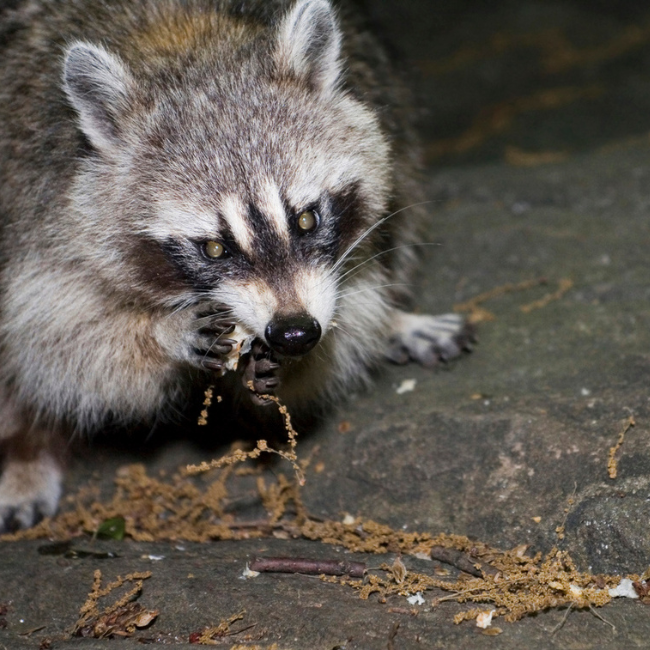
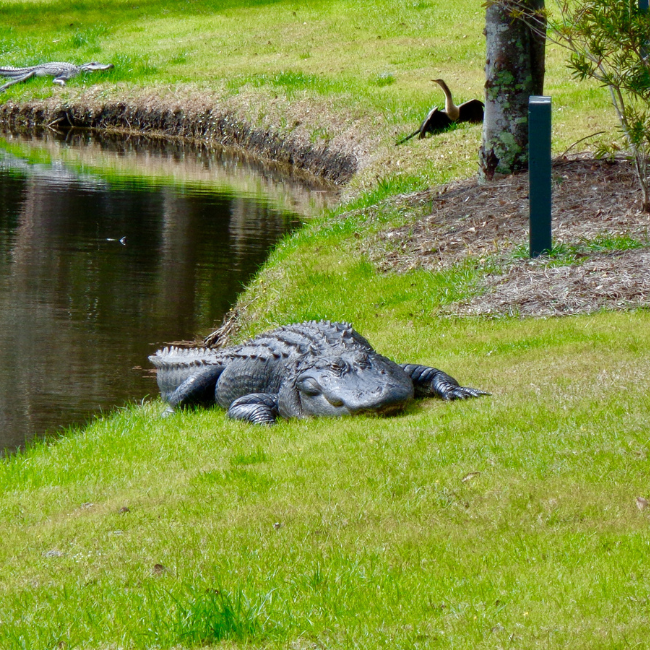
Wildlife gets more active during warm weather because food sources increase and young animals start exploring. Raccoons, squirrels, opossums, snakes, bats, coyotes, foxes and other nuisance wildlife often move through neighborhoods in search of easy meals and safe hiding spots. Homes near woods, ponds, marshes and golf course areas can see even more activity because those spaces create natural travel paths.
Most summer wildlife problems start with one thing: access. If an animal finds food, water or shelter near your home, it has a reason to return.
The Five Home Habits That Invite Trouble
Here are five common habits that can turn your property into a wildlife hotspot.
1. Leaving Garage Doors Open
A garage door left open during yard work, beach trips or home projects creates an easy path inside. Wildlife can slip in fast and hide behind boxes, tools, shelves or stored supplies. Once inside, animals can move into wall spaces, rafters or attached storage areas.
The fix is simple. Close the garage door every time, even if you only plan to step away for a minute. Also, check the bottom seal and side gaps since small openings can still let animals in.
2. Storing Pet Food Outside
Pet food smells like an easy meal to wildlife. Raccoons, opossums, foxes, coyotes and rodents can all follow that scent. Once rodents show up, snakes can follow them too. Bring pet food and water bowls inside at night. Store food in sealed containers with tight lids. If you feed pets outdoors, clean the area right away so crumbs and smell don’t linger.
3. Letting Yard Debris Pile Up
Brush piles, leaves, palm fronds, pine straw and stacked boards create shelter. They also attract insects and small animals that larger wildlife hunts. Snakes often use these areas for cover, while rodents can use them for nesting. Keep your yard clear and open. Bag debris after yard work and move it away from the house. Store firewood off the ground and away from doors, porches and crawl space openings.
4. Ignoring Standing Water
Water draws wildlife during hot weather. Puddles, dripping spigots, clogged gutters, birdbaths and low spots in the yard can all attract animals. Frogs, insects and rodents also gather near water, which can bring snakes closer.
Walk your property after rain and look for areas where water sits. Fix leaks, clear gutters and improve drainage around the home. If you keep birdbaths or water features, clean them often and place them away from doors and high-traffic areas.
5. Skipping Repairs To Gaps, Vents And Openings
Small gaps can become big problems. Wildlife can enter through loose vent covers, gaps under sheds, damaged soffits, torn screens, crawl space openings and roofline cracks. Bats can squeeze into tiny gaps, while squirrels and raccoons can widen weak spots with chewing or pulling.
Check your home’s exterior at least once during summer. Look at vents, roof edges, garage corners, crawl space doors and areas where pipes enter the home. If you see damage, fix it before an animal turns it into an entry point.
How Does The Snake Chaser Help With Summer Wildlife Prevention?
The Snake Chaser helps homeowners find and fix the conditions that attract nuisance wildlife. We inspect the areas animals test first, including garages, crawl spaces, rooflines, vents, sheds, decks and yard edges. If wildlife has already moved in, we remove it safely and help you reduce the chance of repeat visits. Our work doesn’t stop with removal. We help you understand what drew the animal in and what steps can protect your home moving forward.
Keep Wildlife From Turning Your Home Into A Summer Hideout
Summer wildlife prevention works best when you stay ahead of the problem. Closing garage doors, storing food properly, clearing debris, managing water and repairing gaps can make your home less inviting. If wildlife gets too close or you find signs of activity, call The Snake Chaser today. We’ll help you protect your home so you can enjoy summer without surprise visitors.
FAQs
1. What Is Summer Wildlife Prevention?
Summer wildlife prevention means taking steps to keep nuisance wildlife from finding food, water and shelter around your home. It includes closing entry points, clearing yard debris, securing trash and pet food, fixing water issues and checking vents, crawl spaces and garages. The Snake Chaser can inspect your property and help you stop wildlife problems before they grow.
2. What Animals Try To Get Into Homes During Summer?
Common summer nuisance wildlife in coastal South Carolina includes raccoons, squirrels, opossums, bats, snakes, foxes, coyotes and other animals looking for food, shelter or water. Some move into attics, garages, sheds and crawl spaces. Others stay outside but create safety concerns near pets, ponds or outdoor living areas.
3. When Should I Call A Wildlife Removal Professional?
Call a wildlife removal professional when you see repeated wildlife activity, droppings, damage, nesting material, strange odors or an animal inside your home, garage, shed or crawl space. You should also call if you see a snake, bat, raccoon or other animal too close to people or pets. The Snake Chaser can remove nuisance wildlife safely and help you prevent another visit.