Wildlife Diseases: The Health Risks Homeowners Forget About Beyond Rabies
May 9, 2026
Summer Wildlife Prevention: The Five Home Habits That Invite Trouble
June 14, 2026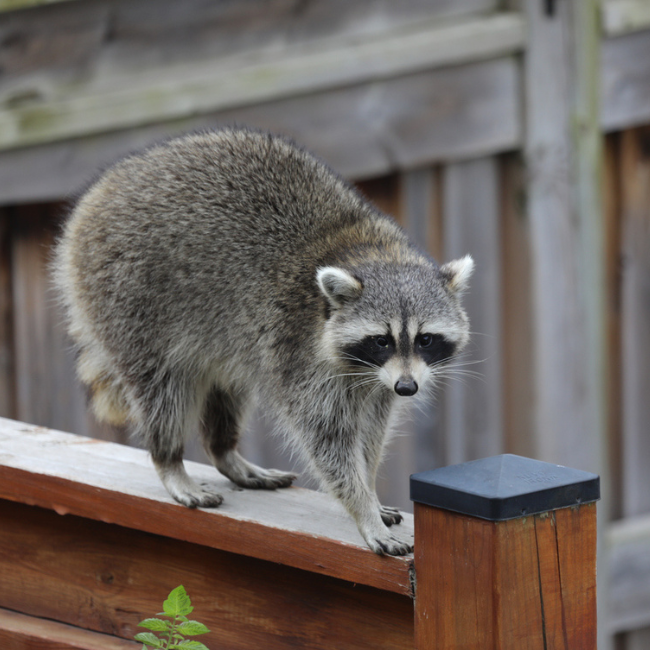
Warm weather brings more wildlife movement, more outdoor time and more chances for close contact. That combo can raise the risk of bites or scratches, especially if a sick animal wanders into a yard or neighborhood. Rabies is rare, but it’s serious. If you spot an animal that looks “off,” you need a calm plan and you need distance.
Rabies Symptoms People Might Notice in Wildlife
You can’t diagnose rabies by sight, and other illnesses can look similar. Still, certain warning signs should raise a red flag. Rabies can cause major behavior changes and nervous system problems in animals.
Here are common rabies symptoms people notice most often:
- Unusual friendliness or no fear of humans
- Staggering, wobbling or acting disoriented
- Aggression that seems sudden or out of nowhere
- Excess drooling or foaming at the mouth
- Weakness, paralysis or trouble moving
- Seizures or severe twitching
- Nocturnal animals active in daylight and acting confused
What Rabies Symptoms Can Look Like in Common Coastal Wildlife
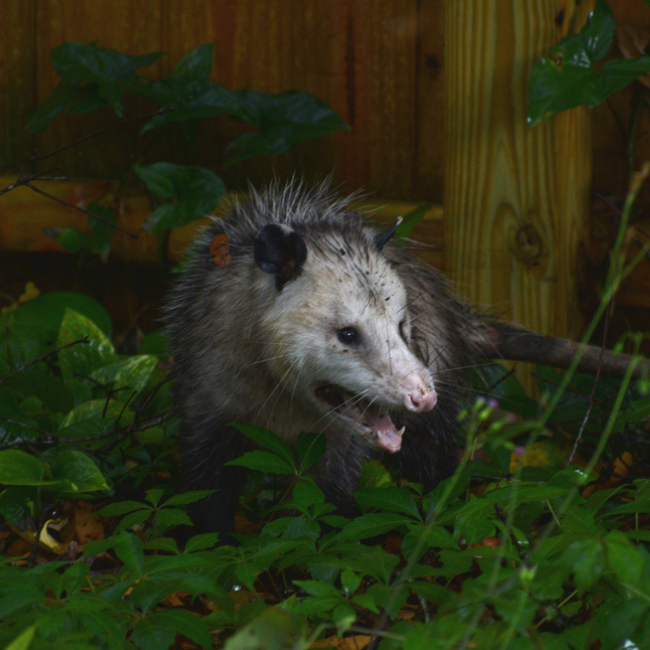
Some wildlife gets labeled “rabid” when it’s simply sick, injured or stressed. Still, you should treat odd behavior seriously, especially with these animals.
Raccoons and foxes often show daytime wandering, stumbling, circling or fearlessness near people. Coyotes and bobcats can show unusual boldness, poor coordination or agitation around homes. Bats can end up grounded on a porch, in a garage or inside a living space, and that situation always needs attention.
What To Do If Someone Gets Scratched or Bitten
Don’t wait to see if it gets better tomorrow. Take action right away. First, wash the wound with soap and water right away. Then get medical care as soon as you can. If you think saliva got into an open cut, your eyes, your nose or your mouth, treat it as urgent. If you can do it safely, note what animal it was and where the incident happened. Don’t chase the animal, try to trap it yourself or handle it with bare hands.
Why You Should Never Approach a Sick Wild Animal
A sick wild animal can act unpredictable. It might bite when you get close, even if it seems calm at first. People also confuse helping with handling. If an animal looks injured or confused, you should still keep your distance and call a professional. That choice protects you, your kids and your pets.
How The Snake Chaser Can Help
When you see a wildlife situation that feels unsafe, call The Snake Chaser. We can remove nuisance wildlife safely and help reduce repeat contact around your home. We can also help you spot attractants like open trash, outdoor pet food and easy shelter spots that keep wildlife coming back.
Stay Safer When Rabies Symptoms Show Up
Rabies symptoms in wildlife can look scary, and they can also look like other illnesses. Either way, treat abnormal behavior as a safety issue. Keep your distance, keep pets inside and get help fast if a bite or scratch happens. If wildlife keeps showing up around your home, call The Snake Chaser so you can enjoy warm weather with less worry.
FAQs
1. What are rabies symptoms in wildlife?
Rabies symptoms in wildlife often include unusual behavior, loss of fear of people, staggering, confusion, drooling, aggression or paralysis. You can’t confirm rabies by looking, but you should treat these signs as serious and keep your distance.
2. What should I do if an animal bites or scratches me?
Wash the wound with soap and water right away, then get medical care as soon as you can. A health care provider and your local health department can help decide if you need rabies shots. Don’t try to catch or handle the animal yourself.
3. Should I worry if I see a bat in my house?
Yes, you should take it seriously because bat bites can be small and easy to miss. Keep people and pets away, avoid touching the bat and contact professionals for help. If you think anyone had contact with the bat, talk to a health care provider right away.