The New Rules of Alligator Safety Near Ponds
April 12, 2026
Rabies Symptoms in Wildlife: What to Watch for During Warm Weather
May 10, 2026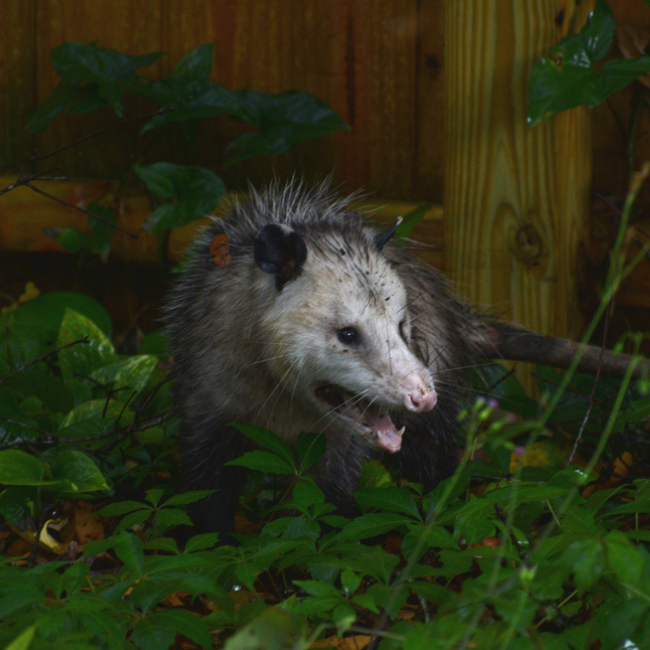
When people think about sick wildlife, rabies usually comes to mind first. Rabies is serious, but it’s not the only concern. Wildlife diseases can spread through droppings, urine, saliva, nesting materials, contaminated soil and parasites. That means wildlife in the attic, bats in the rafters, a fox near the yard or nuisance animals under the porch can create health risks even if no one gets bitten. The good news is that you don’t have to panic. You just need to know what to watch for, keep your distance and call The Snake Chaser when nuisance wildlife gets too close to your home.
Common Wildlife Diseases Homeowners Should Know
Wildlife can carry germs and parasites that affect people and pets. Some problems come from direct contact, while others come from contaminated areas animals leave behind. Here are a few concerns homeowners should know about.
1. Leptospirosis
Leptospirosis can spread through urine from infected animals. People and pets can face risk when they come into contact with contaminated puddles, soil or damp areas where wildlife has been active. Around coastal South Carolina, standing water, marshy areas, ditches and damp yards can create the kind of environment where this risk matters. If wildlife keeps traveling through your yard, it’s smart to reduce attractants and keep everyone away from unknown water sources.
2. Distemper
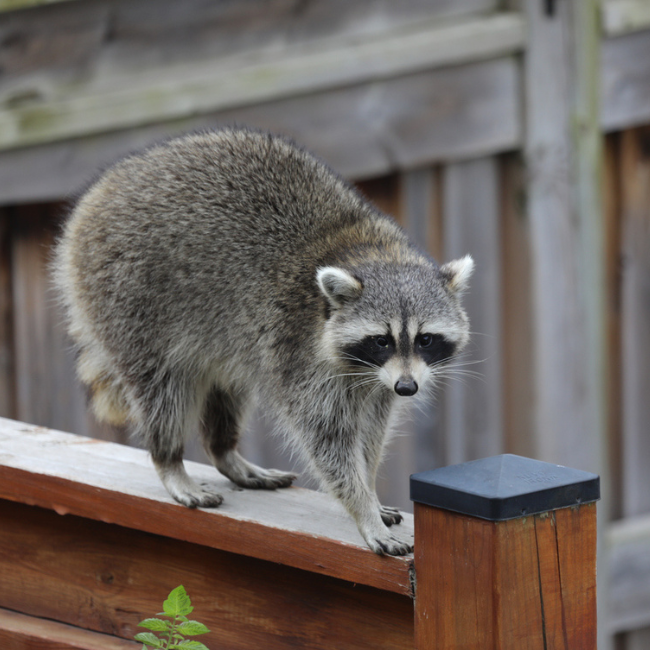
Distemper can affect several types of wildlife, including raccoons, foxes and coyotes. Sick animals might act confused, weak or unusually bold. They might also have discharge around the eyes or nose, trouble walking or unusual behavior. If you see a wild animal acting strangely, don’t approach it. Keep people and pets inside and call a professional for help.
3. Mange
Mange comes from mites that burrow into the skin. Wildlife such as foxes, coyotes and other mammals can carry mange and spread mites through contact or shared bedding areas. A wild animal with mange might look patchy, thin, scabby or sick. Pets can pick up mites if they investigate contaminated areas or come too close to infected wildlife. If you spot a mangy animal near your property, keep your distance and call The Snake Chaser.
4. Histoplasmosis
Histoplasmosis can connect to fungus that grows in soil or materials contaminated with bird or bat droppings. The risk can rise when people disturb old droppings and breathe in dust. This is one reason bat guano cleanup and bird-related messes need care. Don’t sweep or vacuum droppings without proper protection. A simple cleanup can turn risky if it sends particles into the air.
5. Fleas, Ticks And Other Parasites
Wildlife can bring fleas, ticks, mites and worms into your yard, crawl space or attic. These parasites can spread to pets and sometimes to people. Raccoons, opossums, foxes, coyotes, squirrels and other animals can all carry unwanted hitchhikers. Once parasites move into a nesting area under your home or inside your attic, they can keep causing problems even after the animal leaves.
6. Hantavirus
Hantavirus is a rare but serious illness linked to infected rodent urine, droppings, saliva and nesting materials. The biggest risk comes when people stir up dried rodent waste in enclosed spaces like sheds, garages, crawl spaces or storage rooms. Don’t sweep or vacuum droppings. Keep people and pets away from the area, ventilate the space if safe and call a professional if you find signs of a rodent or wildlife mess.
How Wildlife Diseases Spread Around Homes
Wildlife diseases don’t always spread through dramatic encounters. Many risks come from normal animal activity. Droppings can pile up in attics. Urine can soak into insulation. Parasites can fall from nesting material. A sick animal can wander near a porch, crawl space or garage. Pets can sniff, lick or roll in areas that wildlife has contaminated.
That’s why homeowners should avoid touching wildlife, droppings, nesting material or carcasses with bare hands. It’s also why you should keep kids and pets away from any area where wildlife has been active.
Warning Signs You Should Not Ignore
Some wildlife problems start quietly. You might notice a strong odor near the attic, garage or crawl space. You might see droppings near a vent, doorway or shed. You might find torn insulation, nesting material or greasy rub marks near an entry point. You might also see an animal acting strange, walking poorly or showing no fear of people.
If any of these signs show up, don’t wait for the problem to grow. Wildlife that has settled into a home can create damage, odor and health concerns fast.
How To Reduce Health Risks From Wildlife
Start by cutting off easy food and shelter. Secure trash lids, bring pet food inside and clean up fallen fruit or spilled bird seed. Keep crawl space doors secure and repair gaps around vents, soffits and rooflines. Trim overgrown areas and clear debris that gives animals a place to hide.
Also, keep pets current on vaccines and parasite prevention. Your veterinarian can guide you on what your pet needs based on your area and lifestyle. Around the home, the best step is simple: reduce contact between your family, your pets and wildlife.
Why Professional Wildlife Removal Matters
DIY wildlife removal can create more risk than people expect. A trapped animal can bite or scratch. Disturbed droppings can release dust. Sealing the wrong hole can trap animals inside walls or separate young from adults. Also, some wildlife requires special handling under local and state rules.
The Snake Chaser knows how to remove nuisance wildlife safely and humanely. We can inspect the problem area, identify the animal, remove it the right way and help reduce repeat visits. We can also help you understand where wildlife got in and what steps can protect your home moving forward.
Protect Your Home and Family From Wildlife Diseases
Wildlife diseases go beyond rabies, and homeowners should take them seriously. Leptospirosis, distemper, mange, histoplasmosis, parasites and hantavirus can all create problems when animals get too close to homes, pets and families. You don’t need to handle the risk alone. If you see signs of nuisance wildlife, call The Snake Chaser today so we can remove the animal safely and help protect your home and family.
FAQs
1. What Wildlife Diseases Can Spread To Pets Besides Rabies?
Pets can face risks from leptospirosis, distemper, mange, fleas, ticks and intestinal parasites after contact with wildlife or contaminated areas. Shared spaces like yards, puddles, crawl spaces and porches can create exposure risks. If wildlife keeps showing up near your home, call The Snake Chaser so we can help reduce the problem.
2. Can Wildlife Droppings Make People Sick?
Yes, wildlife droppings can create health concerns, especially when they build up in attics, crawl spaces or garages. Bat, rodent and bird droppings can become risky when dry material gets disturbed and dust enters the air. Avoid sweeping or touching droppings and call a professional if you find a large mess.
3. What Should I Do If I See A Sick Wild Animal In My Yard?
Keep your distance and bring pets and kids inside. Don’t try to feed, touch, trap or move the animal yourself. Sick wildlife can act unpredictably, so call The Snake Chaser for safe removal and guidance.