
Spring Wildlife Inspection: The Quiet Invasion Coastal Homeowners Miss Every Year
February 15, 2026
The Hard Truth About Snake Proofing Your Yard
March 15, 2026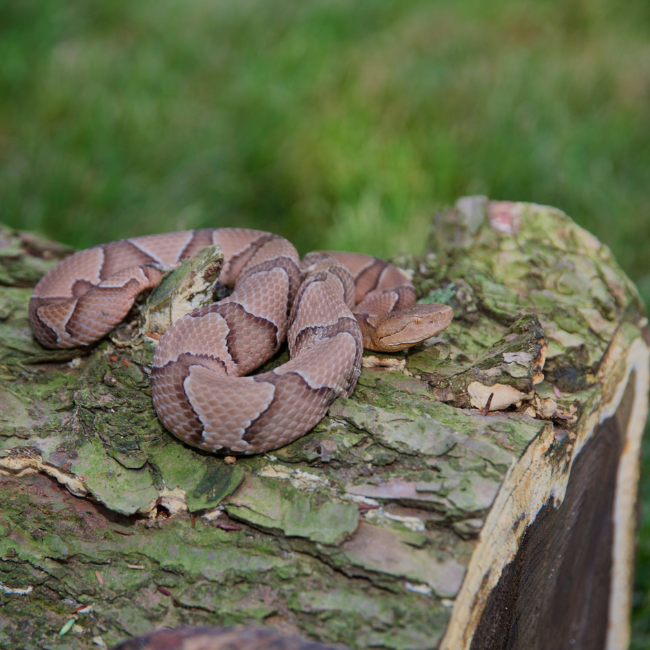
March can feel like a switch flips along the Grand Strand. One week you need a jacket, and the next you want to open the windows and work in the yard. Copperheads notice those warm-ups too. Copperhead spring activity often increases when sunny afternoons warm the ground, even if nights still feel cool. That’s why homeowners sometimes spot copperheads again right when spring chores start.
What Changes In March That Gets Copperheads Moving
Copperheads don’t “wake up” on one exact date. Instead, warm days give them a reason to move. They search for food, water and safe places to rest. Early spring also stirs up the animals they hunt, like small rodents, lizards and frogs. When prey moves, copperheads follow.
Yard work can also play a role. When people rake leaves, move wood piles and clear brush, they disturb hiding spots that stayed quiet all winter. A copperhead that stayed tucked away can suddenly end up in the open, and that can lead to a surprise encounter near the house.
Where Copperheads Hide Around Coastal Homes
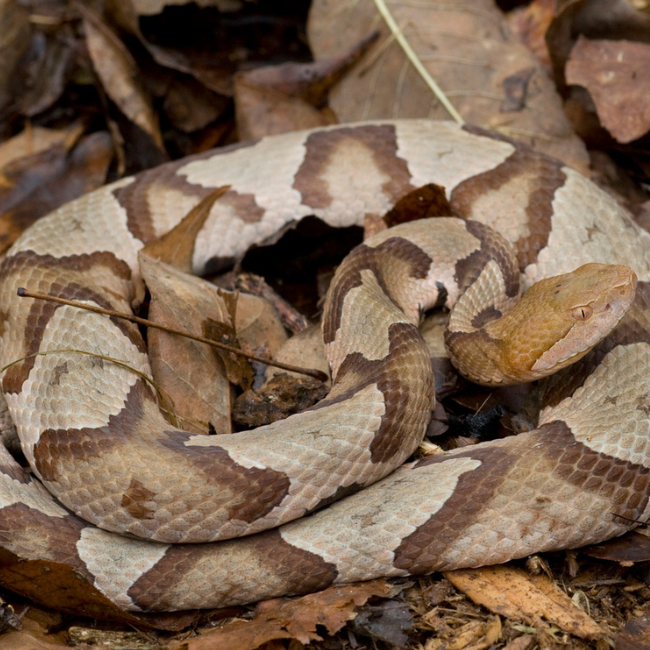
Copperheads rely on cover. They blend into their surroundings, especially in brown leaves and natural debris. Here are the spots that often create problems in March.
1. Leaf Piles And Pine Straw
Old leaves and pine straw hold heat and moisture. They also hide snakes well. A copperhead can lie still and stay nearly invisible.
2. Wood Piles And Lumber Stacks
Firewood, scrap boards and stacked lumber attract rodents. That food source can pull copperheads in, and the tight spaces give them cover.
3. Under Porches, Steps And Deck Edges
Low, shaded areas near the home feel safe for snakes. Copperheads can slip under steps or along the edge of a deck where people rarely look.
4. Thick Ground Cover And Overgrown Beds
Dense plants, mulch and overgrown shrubs create perfect hiding spots. These areas also stay damp, which can attract prey.
5. Rocks, Pavers, And Landscape Timbers
Copperheads often tuck under anything flat and warm. That includes pavers, edging and decorative rocks.
Copperhead Spring Activity And The One Rule That Keeps You Safer
If you take nothing else from this, remember one rule. Don’t try to identify a snake up close. People get bitten when they try to get a better look, move the snake or kill it. Copperheads can strike fast, and their camouflage makes them hard to track once they move. Instead, give the snake space. Keep kids and pets inside. Watch where it goes from a safe distance so you can describe the location clearly.
What To Do If You Spot A Copperhead
First, stay calm and back up. Second, keep others away from the area. Third, don’t grab a shovel or a rake. Tools often lead to mistakes, and a cornered snake will defend itself.
If you can do it safely, take a photo from far away. That can help with identification. Then call The Snake Chaser. We can remove the snake safely and advise you on how to reduce the hiding spots that attracted it in the first place.
How To Lower Your Risk During Spring Yard Season
A few simple habits can lower the chances of a surprise encounter. Keep leaf piles cleaned up. Store firewood off the ground and away from the house. Trim overgrown plants and keep mulch beds tidy. Also, reduce rodents by securing trash and avoiding outdoor pet food at night. Snakes go where the food goes.
Keep Spring Fun, Not Stressful
Copperhead spring activity often rises right when families want to spend more time outside. You can still enjoy the season, but you should stay alert and keep your yard clean and clear. If you see a snake and you aren’t sure what it is, call The Snake Chaser. We’ll help you handle it safely so you can get back to enjoying your porch and your yard.
FAQs
1. When does copperhead spring activity start in South Carolina?
Copperhead spring activity often starts when March brings warm afternoons that heat up the ground. Even if nights stay cool, a few sunny days can get snakes moving again. If you spot one near your home, The Snake Chaser can remove it safely.
2. Where do copperheads hide in yards?
Copperheads often hide in leaf piles, pine straw, wood stacks, thick ground cover and under porches or steps. They blend in well, so people often miss them until they move. Keeping your yard tidy can lower the risk of an encounter.
3. What should I do if I see a copperhead near my house?
Back away and keep kids and pets inside. Don’t try to move or kill the snake since that can lead to a bite. Call The Snake Chaser so we can remove it safely and help you reduce the hiding spots that drew it in.