Why Does Mole Damage Get Worse In The Fall?
September 13, 2026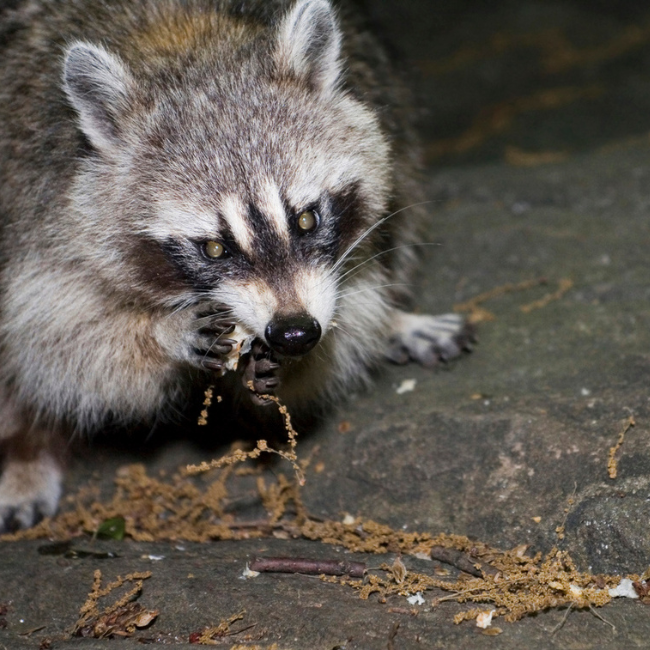
When cooler nights settle into the Grand Strand, crawl spaces start looking like prime real estate to wildlife. They offer shelter, warmth, cover and a quiet place to hide. That’s why homeowners often notice more strange smells, digging, rustling sounds and damaged vents during September and October.
Animals in crawl spaces can create bigger problems than a little noise under the floor. Raccoons, opossums, snakes and squirrels can all use low, covered spaces around coastal homes. Once they get comfortable, they can leave droppings, damage insulation, tear vents, create odors or attract even more wildlife activity.
What Animals Get Into Crawl Spaces In The Fall?
Raccoons, opossums, snakes and squirrels can get into crawl spaces in the fall when they want shelter, warmth or a safe hiding spot.
Raccoons can push through weak vents or damaged openings. Opossums can slip under porches, decks and loose crawl space doors. Snakes can follow rodents, frogs or other prey into covered areas. Squirrels usually aim for attics, but they can explore crawl space edges, foundation gaps and low openings too. If there’s an easy way in, wildlife can find it.
Why Do Animals Go Under Houses When The Weather Cools?
Animals go under houses when the weather cools because crawl spaces offer protection from wind, rain, predators and temperature changes.
Fall weather can push wildlife to look for steadier shelter. Storms, yard cleanup and shifting food sources can also move animals closer to homes. A crawl space gives them cover without much effort, especially if vents, doors or foundation gaps already have damage.
How Do You Know If Wildlife Is In Your Crawl Space?
You might have wildlife in your crawl space if you hear rustling, smell strong odors, find droppings, see digging or notice damaged vents.
Homeowners often hear movement at night or early in the morning. You might also notice dirt pushed away from an opening, insulation pulled down, chew marks, tracks near the foundation or a musty animal smell. If pets keep staring at one part of the floor or porch, they might hear or smell something you missed.
What Does A Raccoon In A Crawl Space Sound Like?
A raccoon in a crawl space can sound heavy, loud and clumsy, with thumps, scratching, dragging or shuffling sounds.
Raccoons are stronger than many people expect. They can tear through weak spots, pull at vents and make a lot of noise under the house. They can also leave droppings and strong odors behind. Do not crawl in to check for one. A cornered raccoon can act aggressive, especially if it feels trapped.
What Should You Do If An Opossum Is Under Your House?
If an opossum is under your house, leave it alone, keep pets away and call The Snake Chaser if it stays, smells or keeps coming back.
Opossums often look for quiet, covered places where they can rest. They usually do not want trouble, but they can bite if someone corners them. Do not try to pull one out, block the opening while it is inside or send a pet under the house after it.
Can Snakes Get Into Crawl Spaces In The Fall?
Yes, snakes can get into crawl spaces in the fall, especially if they follow prey or find a warm, protected spot near the foundation.
A snake under the house can be hard to spot and harder to identify safely. The Grand Strand has both harmless snakes and venomous snakes, so homeowners should never crawl under the house to investigate. If you see a snake near a crawl space opening, back away and call for help.
Why Shouldn’t You Crawl Under The House To Check?
You should not crawl under the house to check because you could get too close to wildlife, droppings, sharp debris, damaged insulation or a hidden snake.
Crawl spaces are tight, dark and hard to exit quickly. If an animal feels trapped, you have very little room to react. You also risk stirring up droppings, nesting material or contaminated insulation. It’s safer to inspect from outside and let a professional handle what’s underneath.
When Should You Call The Snake Chaser For Crawl Space Wildlife?
Call The Snake Chaser when you hear noises, smell odors, see droppings, find damaged vents or notice digging around your crawl space.
Our team can inspect the signs, identify the wildlife issue and remove nuisance animals safely. We can also help you understand how the animal got in so you can reduce the chance of another visitor. If fall wildlife has moved under your home, don’t crawl in after it. Call The Snake Chaser and let us handle the problem safely.
FAQs
1. What Animals Live Under Houses In South Carolina?
Raccoons, opossums, snakes and squirrels can get under houses in South Carolina. Along the Grand Strand, crawl spaces can attract wildlife looking for shelter, cover or food during fall.
2. What Are The Signs Of Animals In A Crawl Space?
Common signs include rustling sounds, strong odors, droppings, digging, damaged vents, tracks, chew marks and pets reacting to one area of the home. Fresh damage or repeat noises usually mean you should call for help.
3. Is It Safe To Go Into A Crawl Space With Wildlife Inside?
No, it is not safe to crawl into a space where wildlife might be hiding. You could surprise an animal, get bitten, come too close to droppings or run into a snake. Stay outside the crawl space and call The Snake Chaser.