What Animals Get Into Crawl Spaces In The Fall?
September 14, 2026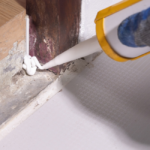
Why Shouldn’t You Seal An Animal Entry Hole Before The Animal Is Out?
October 19, 2026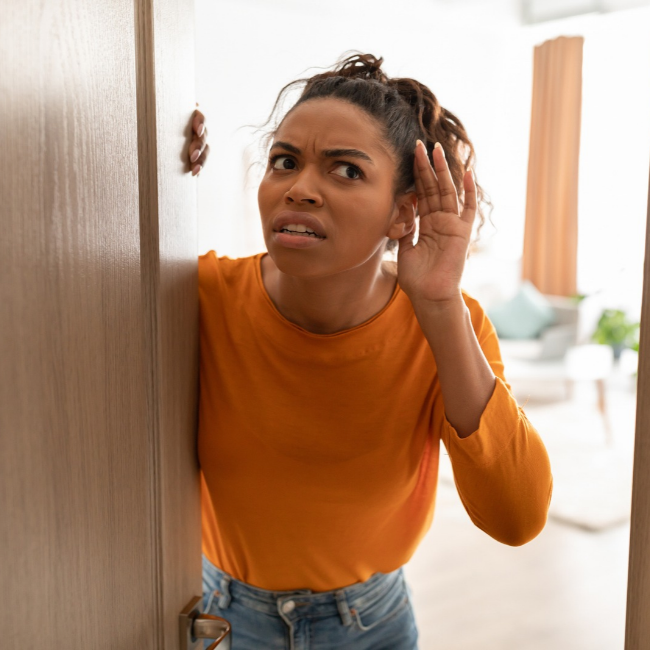
Hearing scratching noises above your ceiling can make you wonder exactly what moved into your house. Animal noises in the attic can come from squirrels, flying squirrels, raccoons or rodents, and the season, type of sound and other signs can help narrow down the culprit. For homeowners around Myrtle Beach and the Grand Strand, fall often brings more calls about furry wildlife getting into homes because attics offer warmth, protection and plenty of quiet places to hide as outdoor conditions change.
What Animal Is Making Scratching Noises In My Attic?
Squirrels, flying squirrels, raccoons and rodents can all make scratching noises in an attic, but each animal tends to create a different kind of sound. Some noises sound light and quick, while others sound heavy enough to make you wonder if something much larger is moving above the ceiling. Scratching can also come with scurrying, chewing, thumping or vocal sounds, so listening to the overall pattern can give you useful clues even if the sound alone cannot confirm the animal.
What Does A Squirrel In The Attic Sound Like?
A squirrel in the attic often makes quick scratching, scurrying and chewing sounds as it moves through insulation or along the roofline. Homeowners might also hear tapping or gnawing when a squirrel chews on wood or other materials. Squirrels can become more noticeable as the weather starts cooling because attics provide protected shelter, and signs outside the home, such as damaged soffits, vents or roofline openings, can help confirm that squirrels found a way inside.
What Do Flying Squirrels Sound Like In An Attic?
Flying squirrels can make light scratching, scurrying and rustling sounds that can be harder to notice than the noises created by larger wildlife. Because flying squirrels are smaller, their movement can sound quick and soft, but several animals using the same attic can make the space sound much busier. Cooler weather can also bring more flying squirrel activity around homes as they look for sheltered nesting areas, so fall can be an important time to pay attention to new noises overhead.
What Does A Raccoon In The Attic Sound Like?
A raccoon in the attic usually sounds much heavier than a squirrel or rodent, with noticeable thumping, bumping, scratching and movement overhead. An adult raccoon moving through an attic can sound almost like a small dog running across the floor above you. If baby raccoons are present, Russ, The Snake Chaser, says you might hear a distinctive sound that resembles a cat purring mixed with a dog growling, which can help point toward a raccoon family rather than a single attic visitor.
What Do Rats And Other Rodents Sound Like In An Attic?
Rodents often make lighter scratching, chewing and scurrying sounds as they move through insulation, wall spaces and small openings. They can fit through very small gaps and move between attic spaces and walls, so the noises might seem to shift from one area of the home to another. Homeowners might also notice droppings, gnaw marks or damaged materials, and the season can help narrow down what is happening because rodents often look for protected indoor shelter as outdoor conditions change.
Does The Season Help Identify What Is In My Attic?
Yes, the season can give you another clue about which animal might be living in your attic. Russ sees changes in the types of wildlife calls he gets throughout the year, and fall often brings more furry critter calls as squirrels, flying squirrels, raccoons and rodents look for shelter around homes. That does not mean only one animal can appear during a certain month, but seasonal behavior can help a wildlife professional narrow down the possibilities when combined with the type of noise and other signs around the house.
What Other Signs Mean An Animal Is Living In The Attic?
Droppings, odors, chewing, damaged vents, disturbed insulation and visible entry holes can all point to an animal living in your attic. You might notice a strong smell near the ceiling or attic entrance, while an outdoor inspection could reveal a torn vent, loose soffit or damaged area along the roofline. Some animals also pull insulation apart or chew wood, wiring and other materials, so repeat noises combined with physical damage usually mean the problem deserves attention sooner rather than later.
Should I Go Into The Attic To Find The Animal?
No, you should not climb into the attic to search for an unknown wild animal because tight spaces can make an encounter more dangerous. An animal that feels trapped can defend itself, and you could also come into contact with droppings, urine, damaged insulation or hidden electrical problems. Instead of crawling into the attic, listen to the sounds, note where they seem to come from and look for outside signs from a safe location.
Should I Seal The Hole If I Know Where The Animal Is Getting In?
Do not seal an attic entry hole until you know every animal has left the space because trapping wildlife inside can make the problem much worse. A trapped squirrel, raccoon or other animal can start tearing, scratching or chewing through the attic while searching for another exit, and it could even work its way toward the living area of the home. The animal needs to get out before anyone closes the entry point, which is why sealing a hole too quickly can turn a wildlife problem into a larger repair problem.
When Should I Call The Snake Chaser About Animal Noises In The Attic?
Call The Snake Chaser when scratching, scurrying, thumping or other attic noises continue, especially if you also notice damage, droppings, odors or an entry point. Russ can use the sounds, season and signs around the property to help determine what moved in and how it is getting inside. Getting the animal out correctly can help prevent additional damage and keep you from accidentally trapping wildlife inside your home, so if something is scratching above your ceiling, leave the attic alone and let The Snake Chaser handle it.
FAQs
1. What Animal Makes Scratching Sounds In An Attic?
Squirrels, flying squirrels, raccoons and rodents can all make scratching sounds in an attic. The weight of the noise, type of movement, season and other signs around the home can help identify which animal is responsible, especially when those clues appear together.
2. Why Am I Hearing More Animal Noises In My Attic In The Fall?
Fall can bring more attic wildlife activity because squirrels, flying squirrels, raccoons and rodents start looking for protected shelter as conditions outside change. Attics offer cover, warmth and quiet places to hide, which can make fall a common time for homeowners to notice new scratching, scurrying or thumping sounds overhead.
3. What Should I Do If I Hear An Animal In My Attic?
Do not climb into the attic, chase the animal or seal an entry hole while wildlife could still be inside. Keep track of the sounds and any damage you notice, then call The Snake Chaser so Russ can help identify the problem and handle the animal safely.