
What Should You Do If You Find A Turtle In The Road?
July 11, 2026
Is A Baby Copperhead More Dangerous Than An Adult?
August 15, 2026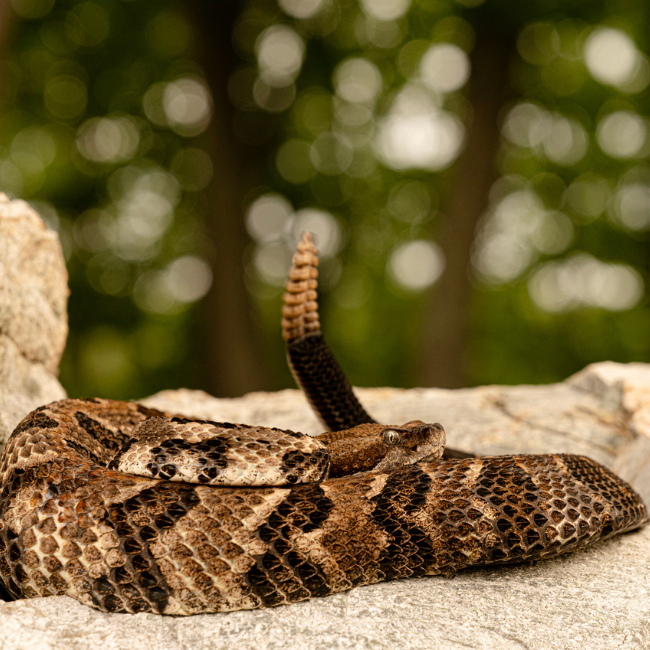
A canebrake rattlesnake is a specific coastal variation of the timber rattlesnake. In coastal South Carolina, including areas closer to the Grand Strand, people often use the name canebrake rattlesnake for the lighter lowland form. Farther away from the coast in South Carolina, people are more likely to hear the name timber rattlesnake.
This naming difference can confuse homeowners, especially when they search online after spotting a rattlesnake near a yard, shed or wooded edge. The most important thing to know is simple. Both names point to a venomous rattlesnake that needs space and professional handling.
What Does A Canebrake Rattlesnake Look Like In Coastal South Carolina?
A canebrake rattlesnake often has a tan, gray or pinkish body with dark bands and a stripe running down the back. It also has a rattle at the end of its tail.
This coastal variation blends well with pine straw, sandy soil, dry grass, leaves and low brush. That camouflage can make it hard to spot until you get too close. Around coastal homes, people might find canebrake rattlesnakes near sheds, wood piles, field edges, marshy areas, wooded lots and quiet corners of the yard.
Why Do People In Coastal South Carolina Say Canebrake Rattlesnake?
People in coastal South Carolina say canebrake rattlesnake because this form of timber rattlesnake connects more with lowland coastal habitat. That includes swamp edges, wet woods, cane patches, fields and brushy areas.
Farther inland, the same species often carries the name timber rattlesnake. The coastal form is less likely as you move away from the coast, while the inland timber form becomes more common. However, nature does not follow perfect labels. Color, pattern and habitat can vary, so homeowners should not use the name alone to judge safety.
How Does A Timber Rattlesnake Compare To A Canebrake Rattlesnake?
A timber rattlesnake and a canebrake rattlesnake belong to the same species, but the canebrake name usually refers to the coastal plain form. The timber name usually fits the inland or mountain form better.
In general, canebrake rattlesnakes in coastal areas often look lighter and match lowland habitats. Inland timber rattlesnakes can look darker and often live in upland forests or wooded hills. Still, these traits can overlap. That means you should never move closer to check color, pattern or markings.
Are Canebrake Rattlesnakes Venomous?
Yes, canebrake rattlesnakes are venomous. You should never touch, move, corner or scare one.
Most rattlesnakes do not want a fight. They would rather stay hidden or move away. But if a person gets too close, tries to kill it or attempts to move it with a shovel, the snake can defend itself. Many bites happen when someone tries to handle the snake instead of backing away.
Where Do Canebrake Rattlesnakes Hide Around Homes?
Canebrake rattlesnakes can hide in leaf piles, pine straw, tall grass, brush, wood piles, sheds, crawl space edges and overgrown landscaping. They look for cover, shade and food.
Rodents can also draw rattlesnakes closer to homes. If a yard has clutter, open trash, outdoor pet food or stored seed, it can attract rodents. Then snakes follow the food source. Keeping the yard clear and reducing rodents can lower your chances of seeing one near the house.
What Should I Do If I Find A Canebrake Rattlesnake In My Yard?
If you find a canebrake rattlesnake in your yard, back away slowly and keep people and pets away from the area. Do not try to take a close photo, hit it, trap it or move it.
If you can watch it safely from a distance, note where it goes. That information helps The Snake Chaser respond faster and safer. If the snake moves under a shed, into brush or near a crawl space, do not reach into that area. Call a professional and let us handle it.
Why Should I Never Try To Identify A Rattlesnake Myself?
You should never try to identify a rattlesnake up close because one mistake can lead to a serious bite. A rattlesnake can strike faster than many people expect.
Homeowners often get too close because they want to know if it is a canebrake, timber rattlesnake or another snake. But from a safety standpoint, the exact name matters less than your distance. If you see a rattlesnake in coastal South Carolina, treat it as dangerous and call The Snake Chaser.
How Can I Make My Yard Less Attractive To Rattlesnakes?
You can make your yard less attractive by removing hiding spots and food sources. Keep grass short, clear brush, bag leaves and store firewood off the ground and away from the house.
Also, secure trash lids, clean up spilled bird seed and bring pet food inside. Check crawl space doors, shed gaps and garage edges for openings. These steps can help reduce rodents and cover, which makes your yard less inviting to rattlesnakes.
How Can The Snake Chaser Help With Canebrake Rattlesnake Removal?
The Snake Chaser can remove canebrake rattlesnakes safely and help you understand why the snake showed up. We use the right tools, training and calm approach so you do not have to risk a bite.
After removal, we can also look at the area for common attractants like brush, wood piles, shed gaps and rodent activity. If you see a canebrake rattlesnake, timber rattlesnake or any venomous snake near your home, call The Snake Chaser before trying anything yourself.
FAQs
1. Is A Canebrake Rattlesnake The Same As A Timber Rattlesnake?
A canebrake rattlesnake and a timber rattlesnake often refer to the same species, but people use the names differently based on region and habitat. In coastal South Carolina, people often say canebrake rattlesnake when they mean the lighter, lowland form with a noticeable stripe along the spine. Both names refer to a venomous rattlesnake that homeowners should not approach.
2. Are Canebrake Rattlesnakes Common In Coastal South Carolina?
Canebrake rattlesnakes live in parts of coastal South Carolina, especially in lowland woods, swamp edges, fields and quiet areas with cover. Homeowners might see them near brush piles, sheds, pine straw, wood piles or wooded property edges. If you spot one, call The Snake Chaser for safe removal.
3. What Should I Do If I See A Rattlesnake Near My House?
Back away slowly and keep people and pets away from the area. Do not try to kill, move or identify the snake up close. If you can safely watch where it goes from a distance, do that, then call The Snake Chaser so we can remove it safely.